A special BBC programme on the life and music of David Bowie, presented by Jeremy Vine. Bowie was one of the most influential musicians of his time, constantly re-inventing his persona and sound, from the 1960s hippy of Space Oddity, through Ziggy Stardust and the Thin White Duke to his later incarnation as a soulful rocker.
In the southernmost place in the world live the Yámanas, who survived and developed in one of the most inhospitable climates in the world. Today on the brink of extinction, its oldest survivors Úrsula and Cristina Calderón, invite us on a journey through its history, its myths, its language and its landscape. They are the last Footprint.
This sports documentary goes behind the scenes in the world of mixed martial arts while chronicling the life story of MMA champion Attila Végh.
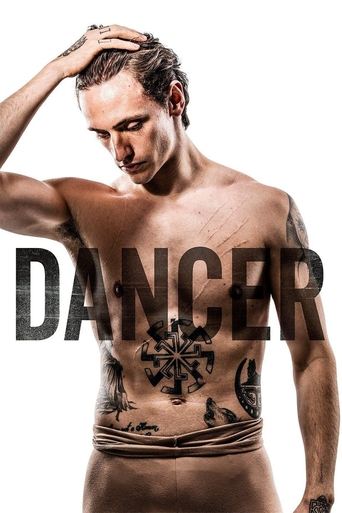
Sergei Polunin is a breathtaking ballet talent who questions his existence and his commitment to dance just as he is about to become a legend.
Mysterious Castles of Clay is a 1978 film about a termite colony; filmed in Kenya by film-makers Joan and Alan Root, and narrated by Orson Welles. (narration replaced by Derek Jacobi, in a later release titled "Castles of Clay")
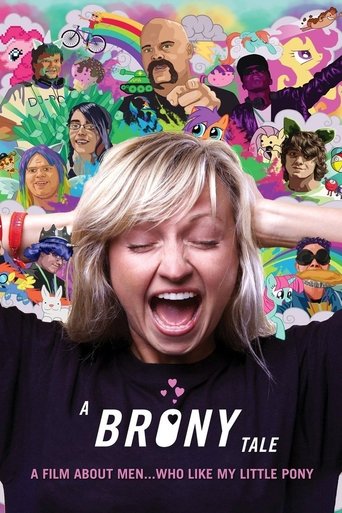
Vancouver-based voice artist Ashleigh Ball has been the voice of numerous characters in classic cartoons such as Care Bears, Strawberry Shortcake, Cinderella and more. When Ashleigh was hired to voice Apple Jack and Rainbow Dash for Hasbro's fourth series to use the My Little Pony name - My Little Pony: Friendship Is Magic - she had no idea she would become an Internet phenomenon and major celebrity to a worldwide fan-base of grownups. Bronies are united by their belief in the show's philosophy. This documentary gives an inside view of the Pony fan-world, and an intimate look at the courage it takes to just be yourself...even when that means liking a little girls' cartoon.
Behind-the-scenes stories from the long-running sci-fi drama. There are tales of stunts that went dangerously wrong and secrets of how the crew brought monsters to life, as well as revelations about how some storylines proved to be so scary the BBC were forced to re-edit episodes.
Explore the dramatic career and personal struggles of the talented and tragically short-lived entertainer Judy Garland through rare concert footage, never-heard-before voice recordings and personal photos.
Born in 1944 in South Tyrol, Reinhold Messner was introduced to climbing peaks by his father as a child. He has since climbed the fourteen mountains of the world culminating at more than 8,000 meters, and notably has to his credit the first ascent of Everest alone and without oxygen in 1980. This portrait is made up of the story given by mountaineer of his journey as well as testimonies from his loved ones and traveling companions. The interviews are interspersed with reconstructed scenes and extracts from archive films recounting his exploits. But there is no question here of becoming hagiographic, because Messner also draws his strength from his failures. When he's not climbing or roaming the desert, this troublemaker devotes his energy to various causes. In his Juval castle, located in his native South Tyrol, he exhibits the equipment of his expeditions as well as various objects, notably Tibetan. He has also written around fifty works to date.
Jacques Demy’s ability to enchant audiences was rooted in his personal struggles and doubts as a showman, establishing him as one of French cinema’s greatest artists.
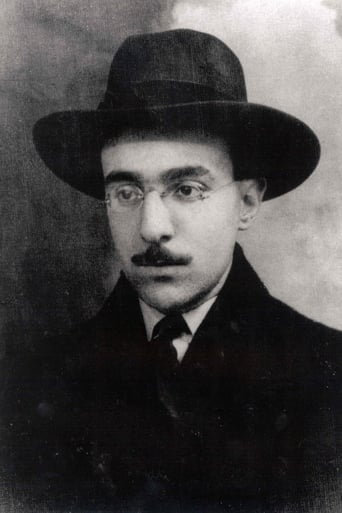
The documentary about the life of Fernando Pessoa, defended by journalist Clara Ferreira Alves, underlines how, in just 30 years, Fernando Pessoa built an immense body of work, of astonishing quality and all of this while being nothing more than an anonymous office worker all his life.
Its the story of five women from different countries who were victims of domestic violence and their struggle to face it and survive it. It will be an approach to this complex and extensive problem pretending to transcend the typical and stereotyped approaches.
This 1963 documentary, released less than a year after Marilyn Monroe's death, showcases the star in memorable scenes from her 20th Century Fox films, including wardrobe tests and clips from her last, uncompleted project, "Something's Got To Give". Hosted and narrated by Rock Hudson.
Through intimate portraits of three individuals living in the poorest areas of Kenya, Good Fortune explores how massive, international efforts to alleviate poverty in Africa may be undermining the very communities they aim to benefit.
Documentary covering the heavywight championship match between Ingemar Johansson and Floyd Patterson on June 20, 1960.
Facebook Follies is a one-hour documentary that takes a look at the unexpected consequences of people sharing their personal information on social media. Viewers meet people who lost their jobs, their marriages, their dignity, or who even ended up in jail - all because of their own or someone else's Facebook posting. To give a broader context to the events, these stories are intercut with reflections from experts in the areas of social change, internet security and contemporary media.
Unbanned explores the dynamic life of AJ1 from its unlikely origins to its role in disrupting NBA rules, birthing sneaker culture, and influencing a social and cultural revolution. This is the story of a shoe that changed the world.
Director Wes Anderson and The Life Aquatic crew discuss the effort that went into crafting the world of Steve Zissou. Join us as we dive deep into the costumes, set design, and visual effects of this wild action adventure film.
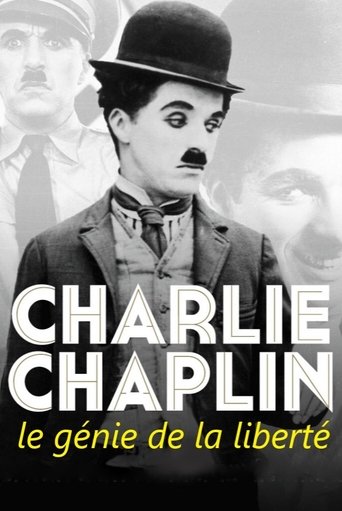
The whole world knows him. Burlesque comedy genius, popular actor, author, director, producer, composer, choreographer, Charlie Chaplin (1889-1977) used his talent to serve an ideal of justice and freedom. But his best scenario was his own destiny, a story written into the political and artistic history of the 20th century.
Marie Berthelius and Roger Narbonne conference call Lars von Trier, Win Wenders, Lone Scherfig, and Jean-Marc Barr and are also linked by digital video. The discussion is about the Dogme 95 film movement and how technological transformations affect cinematic practice.
Activate Your Account!
You must create an account to continue watching