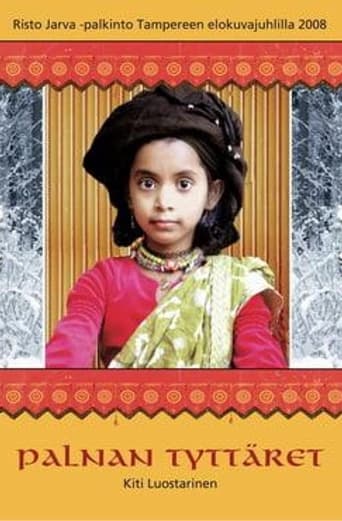
A film about memory, identity and the overwhelming power of love. One-year-old Devi was found starving at a railway station in Delhi. The police took her to Palna, an orphanage, where she lived for a year. When Devi learned to talk she often wanted to talk about Amma, her first mother. In the film, the 6-year-old Devi journeys to her own past, as her family adopts another daughter from Palna, a baby sister for Devi.
I'm from Hollywood is about the adventures of late performance artist Andy Kaufman in the world of professional wrestling. This film includes interviews with Taxi co-stars Marilu Henner and Tony Danza and interviews with comedian Robin Williams, wrestler Jerry Lawler, wrestling commentator Lance Russell, and Kaufman's best friend, Bob Zmuda. Other people seen in the film include TV host David Letterman and Jimmy Hart of Continental Wrestling Association. The film's title refers to a phrase spoken by Kaufman to the Memphis wrestling audience.
The second part about the production of "Raging Bull."
Follows renowned cave explorer Bill Stone as he and his team push the boundaries of what has ever been done before as they attempt one of the greatest achievements of modern exploration — to set a new world record by venturing into the bottom of what is thought to be the deepest cave in the world.
Elephants disrupt the lives of a family deep in the jungles of Northern Siam, and an entire village.
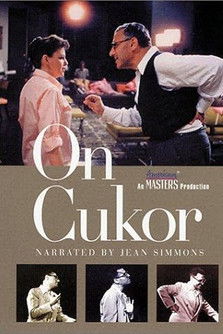
Widely thought of as “a woman’s director,” legendary film director George Cukor is profiled with the use of film clips and interviews with his friends and colleagues to provide a picture of the director’s unique accomplishments and to trace the arc of his career.
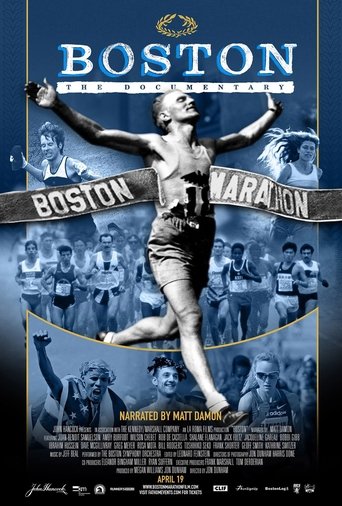
The history of the Boston Marathon from its humble origins starting with only 15 runners, to the first female runners, through the tragedy in 2013, and ultimately the triumph of 2014.
Based on the acclaimed memoir by renowned guitarist Andy Summers, Can’t Stand Losing You: Surviving The Police follows Summers’ journey from his early days in the psychedelic ‘60s music scene, when he played with The Animals, to chance encounters with drummer Stewart Copeland and bassist Sting, which led to the formation of a new wave trio, The Police. The band’s phenomenal rise and its highly publicized dissolution at the height of their fame in the early ’80s captured by Summers’ camera. Utilizing rare archival footage, Summers’ photos, and insights from the guitarist’s side of the stage, Can’t Stand Losing You brings together past and present as the band members prepare to reunite for the first time in two decades later for a global reunion tour in 2007.
Explores the Pyramids of Giza as Egyptologists try to unravel the mysteries and decipher the clues behind these stone giants built over 4,500 years ago.
This documentary about "2001: A Space Odyssey" looks at some of the things that seemed fanciful in 1968, which don't seem quite as much anymore.
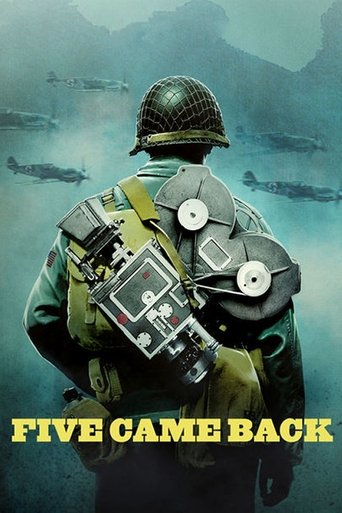
The extraordinary story of how Hollywood changed World War II – and how World War II changed Hollywood, through the interwoven experiences of five legendary filmmakers who went to war to serve their country and bring the truth to the American people: John Ford, William Wyler, John Huston, Frank Capra, and George Stevens. Based on Mark Harris’ best-selling book, “Five Came Back: A Story of Hollywood and the Second World War.”
Theory of Obscurity tells the story of the renegade sound and video collective known as The Residents…a story that spans 40 years and is clouded in mystery. Many details surrounding the group are secret, including the identities of its members. They always perform wearing masks and costumes, which is part of their magic. At its heart, this story is about perseverance and chasing your dream. The Residents never caved to convention. They never compromised. They’ve followed their muse for decades and thousands of fans have hung on for the ride. Along the way they’ve also inspired many people to be weird, take chances and find their own voice.
Reconstruction of the political drama around Ayaan Hirsi Ali that heralded the fall of the Dutch cabinet. A musical documentary on a subject close to all Dutch people: truth and lies in politics. The film exposes the motives surrounding the drama in which feminist activist and politician Ayaan Hirsi Ali was accused of lying about her identity. In this political story we are also told the personal tale of the young girl Sadaf, who sought asylum years ago. THE LIE demonstrates the human side of Dutch politics, while revealing how Holland deals with the thorny immigration issue.
In less than ten months, the music band Mamonas Assassinas went from being completely unknown to becoming one of the biggest phenomena in Brazilian music. Irreverent, intelligent, sarcastic and creative, the band took over Brazil and sold two million albums in just six months. Never-before-seen footage and interviews from family, friends, producers, and musicians tell the band’s story, their challenges, their rise to fame, and the tragic aeroplane accident that killed all its members in 1996.
From Sierra de las Minas to Esquipulas, explore Guatemala's cultural and geological wealth, including ancient Mayan cities and other natural wonders.
A short retroperspective feature on Brando's influence on acting itself and the cultural impact of his role in "The Wild One".
An unprecedented undercover investigation into one of the world’s most repressive regimes — Eritrea. Exclusive secret footage and testimony shed new light on shocking allegations of torture, arbitrary detention and indefinite forced conscription.
Growing up in Tehran, a capital of the 21st century... From 2007 to 2025, within a loving family, eighteen years in the life of three sisters, from their early childhood to their daily lives as young women in search of freedom. Brought up in the traditional way, witnessing the struggles of a youth in perpetual movement, what is their future in today's Iranian society?
Iggy Pop's Post Pop Depression album, a collaboration with co-writer and producer Joshua Homme from Queens Of The Stone Age, is his most critically acclaimed and commercially successful album for many years. On May 13, 2016, Iggy Pop brought his Post Pop Depression live show to London's revered Royal Albert Hall and almost tore the roof off! With a backing band including Joshua Homme and Dean Fertita from Queens Of The Stone Age and Matt Helders from the Arctic Monkeys, Iggy delivered a set focused almost entirely on the new album plus his two classic David Bowie collaboration albums from 1977, The Idiot and Lust For Life. Fans and critics alike raved about the performance and this will definitely be remembered as one of Iggy Pop's finest concerts.
Activate Your Account!
You must create an account to continue watching