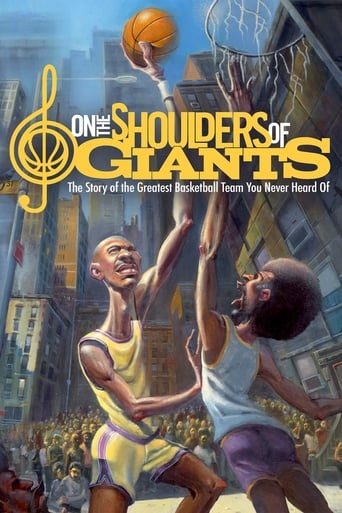
The story of the Harlem Rens: the greatest basketball team you never heard of.
The Roper is the true short story of Kendrick, a young calf roper in Lafayette who dreams of one day making it to the rodeo national championship in Las Vegas.
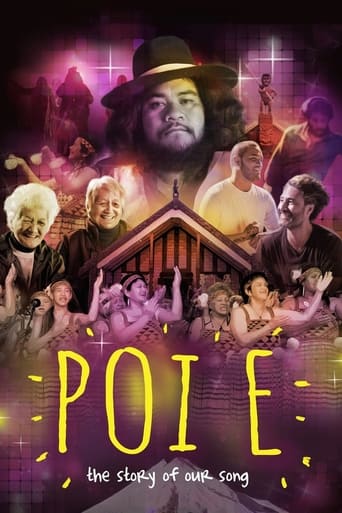
Written and directed by Tearepa Kahi (Mt Zion) and starring Maaka Pohatu (The Modern Maori Quartet, Two Little Boys) the film tells the story of musician Dalvanius Prime and the origin of the song “Poi E”, a ground-breaking fusion of 1980s pop and traditional Māori music. “Poi E”, composed by Dalvanius and Ngoingoi Pēwhairangi and performed by the Patea Māori Club, remains the only song in Te Reo Māori to reach No 1 in the charts, over 30 years since its 1984 release.
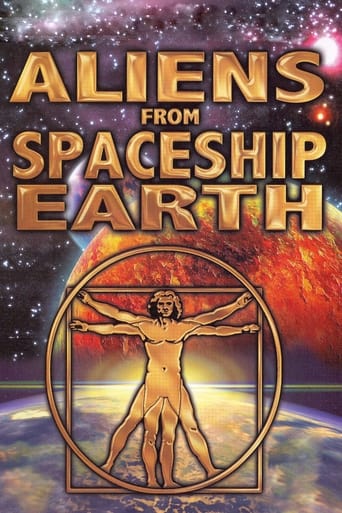
While the aliens in this film may seem to be quite human, one must realize that we're dealing with close encounters of the fourth kind. An inner space journey triggered by the drug culture and rebellion of the 1960s, and the non-violent search for self that continues among people in today's culture. Could this be due to some influence from a higher spiritual consciousness? The world's alien leaders are well represented in this film: Baba Muktananda, Swami Satchidananda, A. C. Bhaktivedanta, Guru Maharaj Ji, Yoga Bhahan, Sri Sathya, Sai Baba, Maharishi Mahesh Yogi, Father Yod, Baba Ram Das, and well-known personalities who present their views on seeking their own terrestrial individuality.
After the triumph of the Cuban Revolution in 1959, three guerrilla fighters followed Che Guevara in his attempt to carry the uprising beyond the island. In 1967, after their final battle in Bolivia and Che’s execution, these shadow warriors embarked on an extraordinary 2,400 km journey across Bolivia, pursued by 4,000 soldiers and navigating remote terrain in a bid to stay alive. Sixty years later, Che’s last surviving comrades recount this untold story of endurance and loyalty, in which individual destinies were shaped by the larger geopolitical currents of the Cold War. Blending rare archive footage, animation and exclusive interviews, the film brings a forgotten chapter of history into the present.
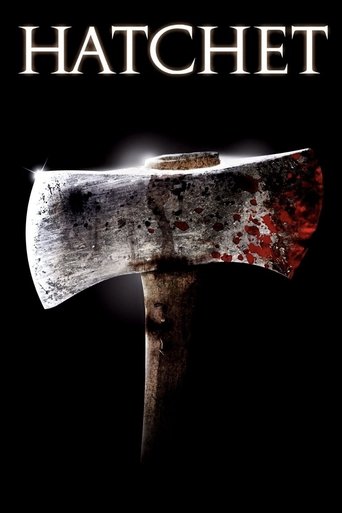
Making of documentary for the 2006 horror film 'Hatchet'.
In April 2021, in the perfect storm left behind by the Coronavirus pandemic, owners and executives of the 12 most powerful clubs in world football attempted a bullish and brazen power grab. Years of secret talks and backroom dealings culminated in a seismic late-night announcement - these dozen rivals were joining forces and breaking away from centuries of sporting tradition to launch a brand new competition that would secure their club's futures for decades to come. Designed to secure the financial future of football for the next 23 years, The Super League created a fury of opposition from the entire football world and collapsed in just 48 hours. Super Greed: The Fight for Football tells the dramatic inside story of the doomed league through the eyes of those who helped to bring it tumbling down.
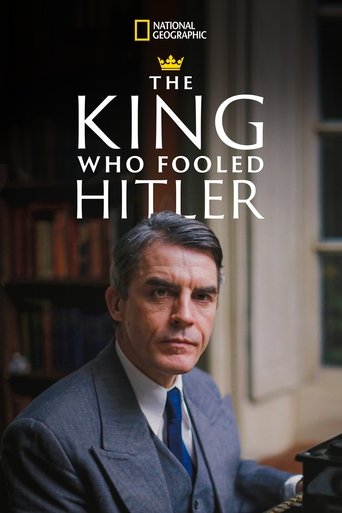
In a tale of double agents and decoys, this documentary reveals, for the first time, the story of King George VI's elaborate ruse to divert German attention away from the Normandy landings in 1944.
Why do human beings get married in almost every society in the world? Why do we cheat? Why is monogamy so important to a relationship and why does infidelity cause so much grief? These are some of the questions acclaimed documentary filmmaker Dhruv Dhawan confronts in his next feature length documentary which explores why human beings evolved cultures of marriage and monogamy that are rife with infidelity. As he attends various lavish weddings occurring within his family, Dhruv is pestered to follow suit but is haunted by his family’s history of infidelity, as well as his own and embarks on a personal quest to discover the origins of marriage, the reasons for monogamy and the pain of infidelity as he tries to mediate an open relationship with the woman he loves. Dhruv’s search takes us on a journey into the biology of sex, the history of patriarchy and the politics of monogamy told through the lives of scientists, swingers, adulterers and Dhruv’s own family.
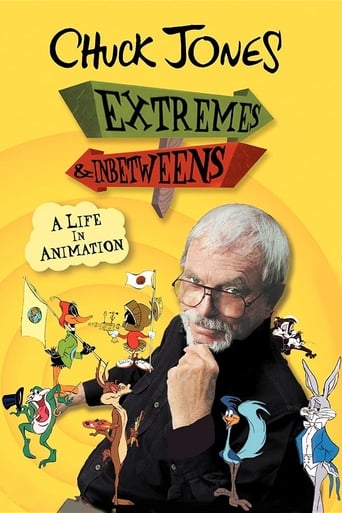
This biography, shown on American television as part of the PBS "Great Performances" series, examines the life works of one of Hollywood's most celebrated animators, Chuck (Charles M.) Jones. He is best known for Warner Brothers cartoons featuring Bugs Bunny, Daffy Duck, Elmer Fudd, Porky Pig, Road Runner, Wile E. Coyote, and Pepe LePew. Included are plenty of behind-the-scenes descriptions of how an animated film is made, and (best of all) many clips from Chuck's cartoons.
Eva and Dieter danced together for the first time in the winter of 1952. They got married, built a house and had three children. They argued, doubted, overcame crises and grew old together. Now Eva's strength is beginning to wane. They embark on a new path as a couple for the very last time, looking back on the happy moments, but also on the inevitable that lies ahead. How will this life as a couple work out?
In a time marked by longing and uncertainty, at the beginning of a social isolation, two friends disappear. The pandemic becomes a backdrop for the loss of innocence and the rescue of long-lost things. Ingenuous is like a farewell gift from the only link that united these two missing figures; two strangers who get lost, or maybe, just maybe, just met.
A political satire which exposes the shape of totalitarianism in the presidency of Alexander Lukaschenka, admirer of Hitler.
Paparazzi explores the relationship between Brigitte Bardot and groups of invasive photographers attempting to photograph her while she works on the set of Jean-Luc Godard's film Le Mépris (Contempt). Through video footage of Bardot, interviews with the paparazzi, and still photos of Bardot from magazine covers and elsewhere, director Rozier investigates some of the ramifications of international movie stardom, specifically the loss of privacy to the paparazzi. The film explains the shooting of the film on the island of Capri, and the photographers' valiant, even foolishly dangerous, attempts to get a photograph of Bardot.
Nitrato expresses the ambiguities and contradictions of the Cinemateca Brasileira. The film deals with the richness of its collection, the recognition of international entities, and explores what its relationship to the general public was like. Nitrato also portrays the neglect with which the institution is treated, as seen in how precarious its building infrastructure is, how politicians neglected to communicate with the institution’s staff, and the aftermath of another fire in the building.
An appreciation and the story of the making of the 1941 film "The Maltese Falcon."
With only an oversized shirt, black tights, and a chair, Elaine Stritch performs her autobiographical one-woman show at London's Old Vic Theatre featuring tales and songs from her 50-plus-year career on stage and screen.
Icelandic politicians and businesses try to lure aluminum production to the island country.
Activate Your Account!
You must create an account to continue watching