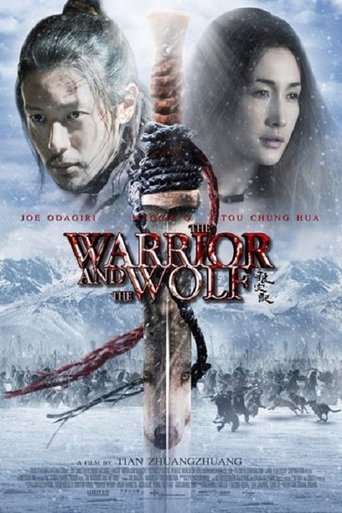
Set during China's the Warring States Period (476-221 BC), benevolent warrior Chenkang Lu (Joe Odagiri) enters into a torrid love affair with a woman (Maggie Q) from the nomadic Harran tribe. Their relationship sends the warrior to a place where humans were once wolves...
Within a few years, France has witnessed the emergence of a new perspective on society, identity, and race, leading to the creation of an unprecedented lexicon that contradicts the principles of French-style universalism. These days, terms such as "white privilege", "intersectionality", "cancel culture", and the adjective "racialised" are defining a new relationship between minorities, differences, and society, especially among the younger generation. What is the origin of this vocabulary? What does 'wokism' mean? What is the origin of its adoption in France? Is it an opportunity? Or a threat? Is this an unfortunate implementation of a model not our own? This documentary delves into the origins and consequences of a phenomenon that is no longer trivial through archive footage and insights from prestigious contributors, analysts, and witnesses.
The movie follows the life and times of Sankara - the founder of the non-duality (Advaita) school of Indian philosophy.
Ukraine, 1946. Orest, commander of an insurgent squad, is in a hideout together with his pregnant wife Eva and several fighters. The NKVD surrounds the insurgents. The captain of the commissariat squad gives Orest a choice: he either gives Eva out or accepts an unequal fight.
Tv movie adaptation of "The Widow from Valencia",a play written by the Spanish playwright Lope de Vega. It was written circa 1600 as a result of Lope's visit to the city with his new patron, the future Count of Lemos. They were there for the marriage of the King Philip III with Margaret of Austria.
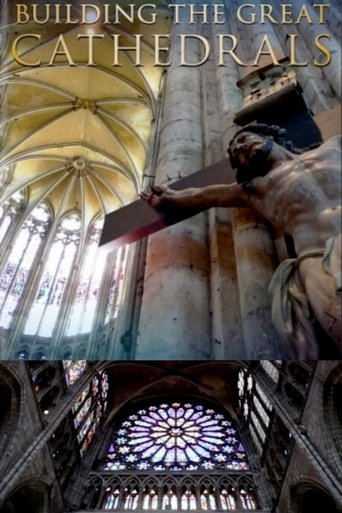
These skyscrapers of stone dominated skylines for nearly a thousand years. Now, a team of scholars and builders investigates how they we went up, and why some of the tallest fell down. Embedded in stone and stained glass, they uncover a hidden mathematical code — ripped from pages of the Bible — that was used as a blueprint to build the great Gothic Cathedrals.
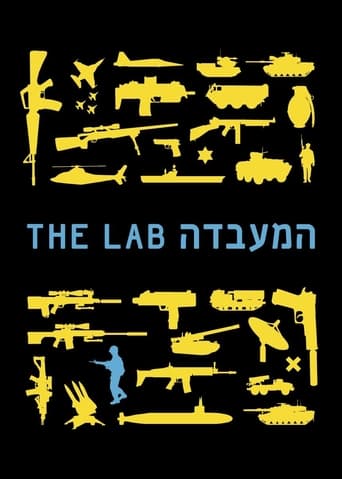
Since 9/11, the Israeli arms industries are doing bigger business than ever before. Large Israeli companies develop and test the vessels of future warfare, which is then sold worldwide by private Israeli agents, who manipulate a network of Israeli politicians and army commanders, while Israeli theoreticians explain to various foreign countries how to defeat civil and para-military resistance. All based on the extensive Israeli experience.The film reveals The Lab, which has transformed the Israeli military occupation of Gaza and the West Bank from a burden to a marketable, highly profitable, national asset.
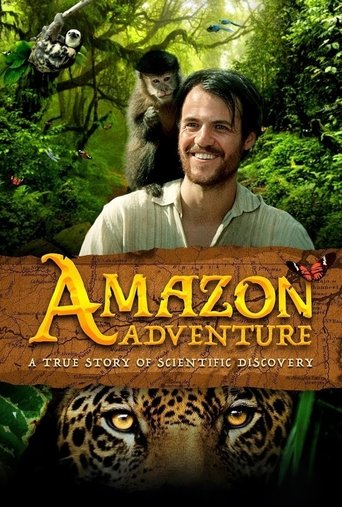
This film follows scientist Henry Bates as he explores the Amazon for proof of natural selection.
1953 - this is the year when Frank Sinatra tours Sweden and Stockholm celebrates 700 years with the entire air force in the air. The American way of life spreads in bottle form, when Coca-Cola makes its entrance. And there will be documentary film in color. The world is troubled with wars in Korea and Indochina. The US participates in both and Sweden has both doctors and nurses in Korea. Sweden becomes world champion in ice hockey for the first time.
Upon the sudden death of President Georges Pompidou, the French right is taken aback. Who will succeed him? It is finally Valéry Giscard d'Estaing, aged 48, elected with the support of Jacques Chirac, who is then appointed Prime Minister. Their alliance seems strong, but it will quickly crack.
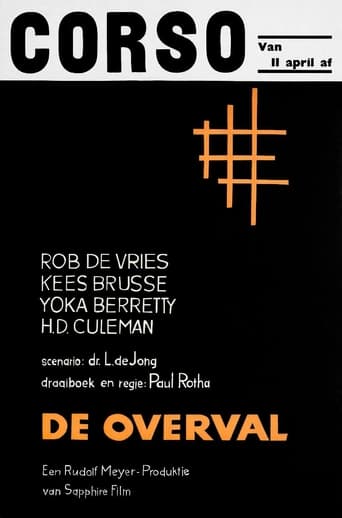
In 1944 Leeuwarden, the Netherlands, a band of Dutch resistance fighters plot to covertly rescue dozens of compatriots from the local Nazi prison.
Soviet horror movie based on the play by the writer Vyacheslav Adamchik Raisa Gromyko. The film takes place in the XVI century.
The Russian Revolution is the collective term for a series of revolutions in Russia in 1917, which destroyed the Tsarist autocracy and led to the creation of the Soviet Union. The Tsar was deposed and replaced by a provisional government in the first revolution of February 1917 (March in the Gregorian calendar; the older Julian calendar was in use in Russia at the time). In the second revolution, during October, the Provisional Government was removed and replaced with a Bolshevik (Communist) government.
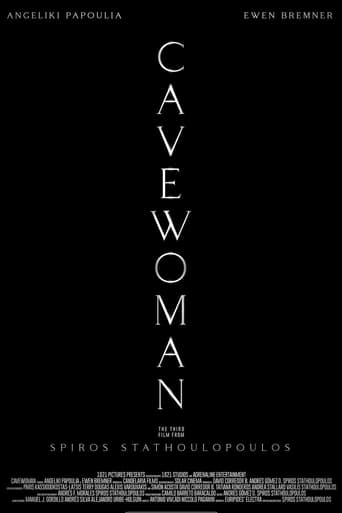
During the Nazi invasion of Greece, a female resistance fighter embarks on a revenge operation to assassinate her own mother, in the name of God. Inspired by Euripides’s Electra.
"The Mystery of Britannic" - a historical docudrama that reveals a unique scenery on the terrible fate of the sister ship of the famous Titanic, whose final destiny was to be lost while at sea. The project presents the on-screen combination of re-enacted historical events intertwined with the scientific underwater documentary.
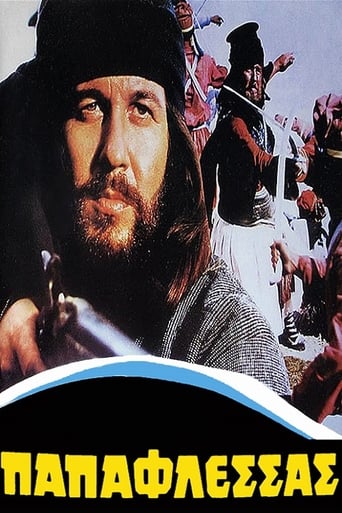
The life and work of the hero of 1821 Papaflessas that during the liberation struggle of the Greeks against the Turks, revolutionizing the elders and the world to declare war!!! Up to the heroic battle Maniaki.... A movie that shows the heroism and sacrifice of the Greeks for their homeland and their freedom
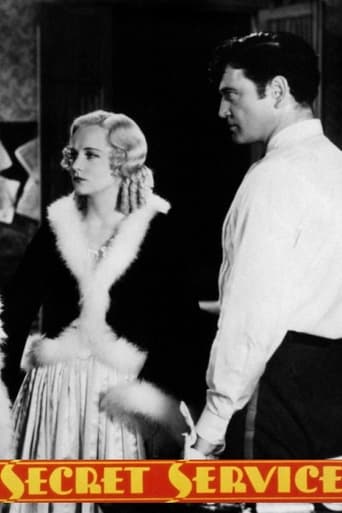
In 1864 a Secret Service agent for the Union army goes undercover in Richmond and pretends to be a Confederate captain.
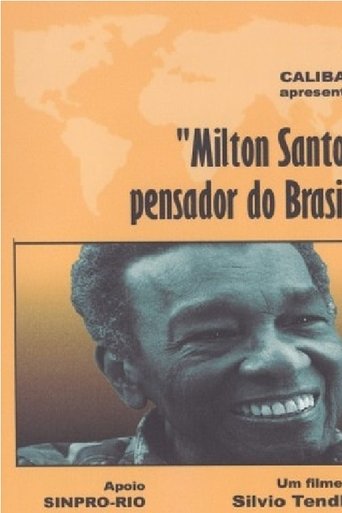
The interview, held on January 4, 2001, was the last given by Professor Milton Santos, who died from cancer on June 24 of the same year. The geographer is gone, but his thoughts remains. Its political and cultural ideals inspire the debate on Brazilian society and the construction of a new world. His statement is a true testimony, a lesson that the world can be better. Based on geography, Milton Santos performs a reading of the contemporary world that reveals the different faces of the phenomenon of globalization. It is in the evidence of contradictions and paradoxes that constitute everyday life that Milton Santos sees the possibilities of building another reality. He innovates when, instead of standing against globalization, proposes and points out ways for another globalization.
Activate Your Account!
You must create an account to continue watching