A curious college student travels to Haiti to unravel the life of the president. What she finds is...unspeakable. While investigating the past of President Moïse for a memoir, Shedeline walks into the heart of a life-changing event for her, Haiti, and its president; as she gets a front-row seat to the chaos and intrigue of a bloody political firestorm. This unexpected turn of events shakes her and introduces a terrifying twist to what she thought would be an ordinary story. Now, her memory is heavy with the answer to the prodigious question hanging over an unsettled nation. Who killed the president?
This pre-WW II German costume drama chronicles the French Revolution with a particular focus upon Danton, Robespierre, and Marat. It depicts the dramatic downfall and execution of Georges Danton in 1794 at the hands of Maximilien Robespierre. The film also presents an interesting, if not historically inaccurate, portrayal of Louis XVI.
Casanova, a young patriot in 18th-century Sicily, upon learning that his father and sister have been murdered, returns to Palermo and engages in guerilla tactics against the forces of the Governor. Lady Bianca, the Governor's daughter, is in love with one of the patriots, Lorenzo, and desires to escape from the palace. Her lady-in-waiting, Zanetta, enlists the aid of Casanova and he rescues them and takes them to the partisan's camp. The rebels are victorious. Lady Bianca makes plans to marry Lorenzo, and Casanova and Zanetta have similar plans.
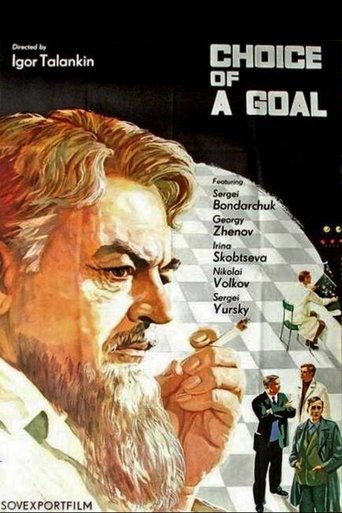
A story of Igor Kurchatov - a father of Soviet nuclear weapons.
The film depicts a dramatic episode in Danish history: the tumultous relationship between King Christian VII of Denmark and his English consort Caroline Matilda in Eighteenth century Copenhagen and the Queen's tragic affair with the royal physician and liberal reformer Johann Friedrich Struensee.
Beginning of the 20th century in the east of Sudan. Tajouj is the beautiful cousin of a young tribesman who falls in love with her and proclaims his love out loud in a song. However, the traditions of his tribe forbid such love, and his uncle refuses his request to marry Tajouj. But after the young man leaves the village and declares his remorse, the marriage is finally allowed after all. In the meantime, however, another man has expressed interest in Tajouj. A story full of jealousy ensues, which ends in tragedy.
The story of the laborer family Debruycker during the turbulent strike by Vieille Montagne in 1971.
The harrowing human rights abuses inside a military barrack, focusing on the brutal torture and psychological torment endured by detainees during the Nepalese Civil War.
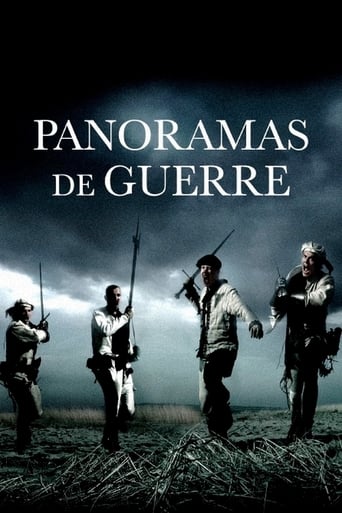
The end of the Franco-Prussian war (1870-71) saw the birth of the panoramas of war, huge circular paintings depicting scenes of war, cruelty and desolation that were contemplated by thousands of spectators, a kind of inmersive static newsreels, a mass media prior to the era of mass media, a virtual reality on canvas.
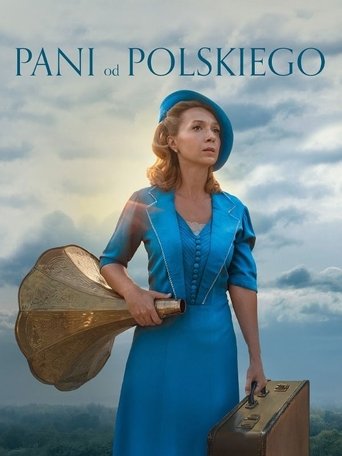
Strong and independent Eliza works as the Polish teacher in a village school and begins an affair with local delinquent Stach. They have a child out of wedlock. When Stach is sent on forced labourer in Germany, Eliza and her child set off on an epic journey to be reunited with her lover.
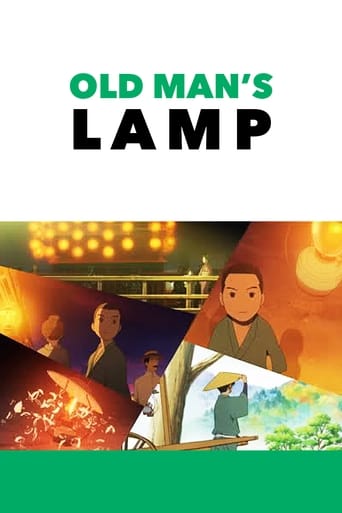
A boy finds a strange object while playing hide-and-seek. His grandfather tells him the story of his own youth, and the important role the old lamp played. This story is about the modernization of Japan and the changes that came with it.
A one-hour documentary about our first real moment of declaring independence 250 years ago, when New Yorkers toppled the statue of King George III at Bowling Green after a first public reading of the freshly inked document on July 9, 1776. In this film, we consider the rise and fall of empires, the toppling of statues, and the removal of monuments to Confederates and slave holders in the afterlife of George Floyd. We follow historian Abby Suckle on her trail to finally find the missing head of King George III, telling the story of how it all happened, along with reflections from Ivan Schwartz whose Studio EIS in Brooklyn has spent a half century sculpting statues of legends from American history in all its complexity: from Presidential libraries, to a re-creation of King George's statue.
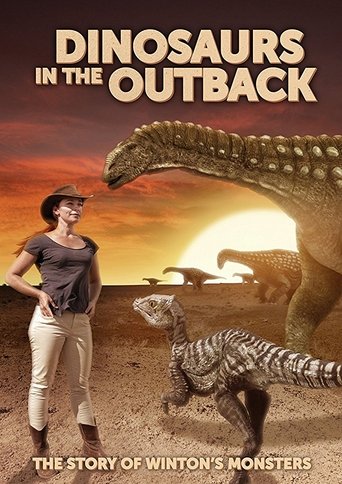
Dinosaurs in the Outback features the often dramatic evidence which proves that Australia was once a place where dinosaurs roamed in vast numbers.
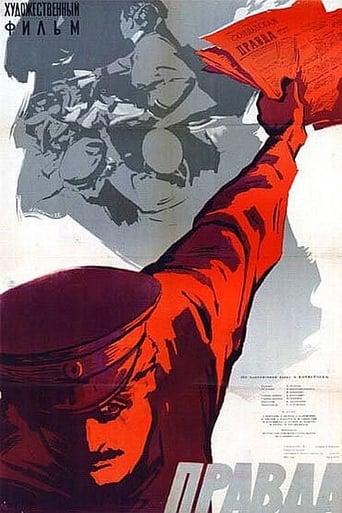
The action of the film takes place during the Russian Revolution of 1905 in Moscow. King Okhranka tries to disrupt the work of the illegal printing press of the Bolsheviks. The small typewriter “Amerikanka” plays the key role in the victory.
The February Revolution did not bring the desired peace to the trenches. Russian and Ukrainian soldiers, deceived by Kerensky's government, are dying on the slopes of the Carpathians. But the words of Bolshevik truth penetrate the trenches, and the soldiers refuse to go to the slaughter. Among the front-line soldiers returning home is a young Ukrainian named Taras Holota. He dreams of joyful reunions, but instead attends the funeral of his mother, who was killed by the Haidamaks. The landless peasantry is starving, and Golota rallies his fellow villagers to divide up the landowners' fields...
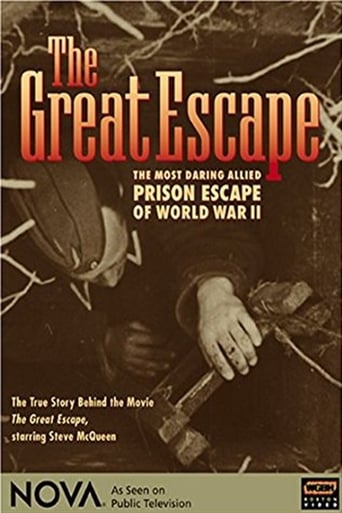
The real Great Escape didn't feature Steve McQueen racing through the Third Reich on a motorcycle like in the 1963 movie, but the big breakout was still thrilling in every way. This program sheds new light on the audacious escape of 76 Allied airmen from a Nazi POW camp during World War II.
This is the authentic story of a bombing raid on Germany... how it is planned and how it is executed. Every person seen in the picture is a member of the Royal Air Force from Commander-in-Chief to aircraft hand, re-enacting his own daily life on the job. They are the men and women who actually direct, plan and execute the raids.
Activate Your Account!
You must create an account to continue watching