A virtuous Spanish princess becomes queen of Portugal, and soon is affected by the social struggles and the reckless fight to power between the king's faction and that of his son's.
This personal and compelling portrait follows Gudrun Schyman, spokesperson of Sweden's Feminist Initiative political party, as she moves between small towns, refugee camps, and the corridors of power.
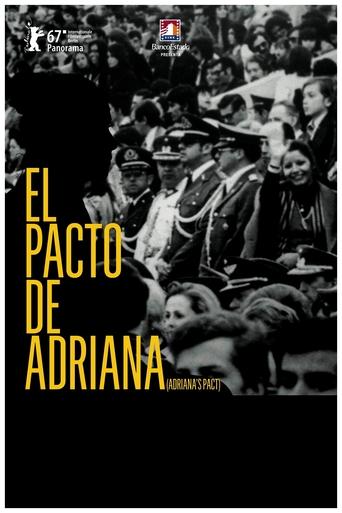
Lissette's favorite aunt Adriana, who lives in Australia, is arrested in 2007 while visiting her family in Chile and accused of having worked for dictator Pinochet's notorious secret police, the DINA, and of having participated in the commission of state crimes. When Adriana denies these accusations, Lissette begins to investigate her story in order to film a documentary about her.
A cinematic version of the life of famous Indian saint-poet, Annamayya (born May 1408), follows the spiritual awakening of the mystic composer Annamayya, who's first motivated to write a song of praise after visiting a temple. His devotion is put to the test when he vows to fast until he comes face to face with God, an act of faith for which he's rewarded with a blessed meal of prasad. As his fame as a singer spreads, Annamayya eventually becomes a real personification of the holy Nandaka Sword.
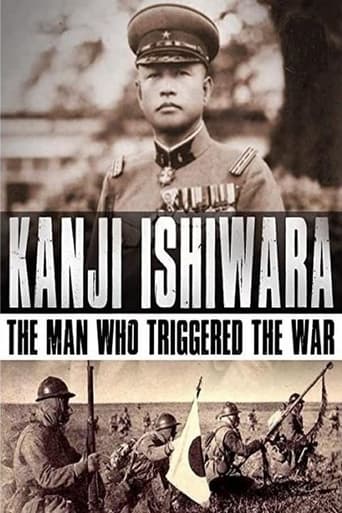
Most people think that World War II started on September 1st, 1939, when the Germans invaded Poland, and then spread to Asia on September 7th 1941, after the Japanese attacked Pearl Harbor. However, World War II actually started ten years earlier, when Manchuria was invaded by a now-forgotten Japanese general: Kanji Ishiwara. This is the little known truth about the most famous war in history.
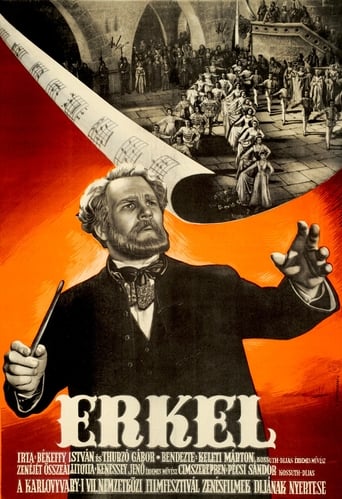
We have linguists, we have literary men, we have newspapers, actors, musicians, but we have no national opera!", lamented the champions of national revival in the middle of the last century. Hungarian music culture at home is limited to the performance of works by foreign composers. And the public demands Hungarian opera, and such a challenge is not easy to meet. So let's see who is up to the task!
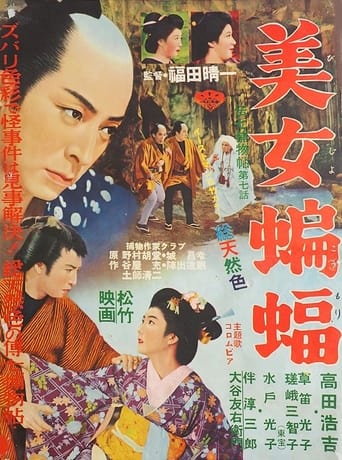
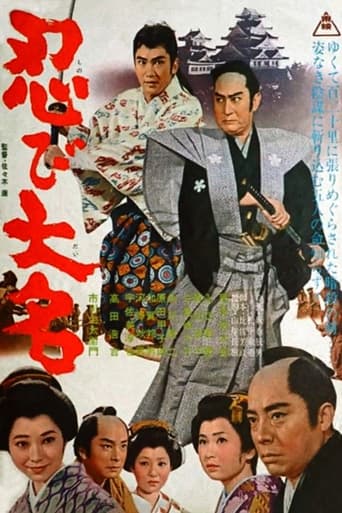
The head of Oshu, Harumichi Honma, was ordered by the boat bugyo (Commissioner of the board) Tajima Kuze to extract five gold coins to the Shogun family in Edo, and put it into Ryujin Maru. However, Tajima, who was the chief retainer of the shogunate, said that he was a member of the board, tetsugoro Funabashi, kumiyumi no Kami ichibei, and his son, masakichi, and others, and in the middle of the night, he killed all the members with poison in the night of the storm, threw Masayoshi, who was a fellow of the city, and masakichi, who escaped from the death of poison, into the sea and sank the boat to eliminate evidence.
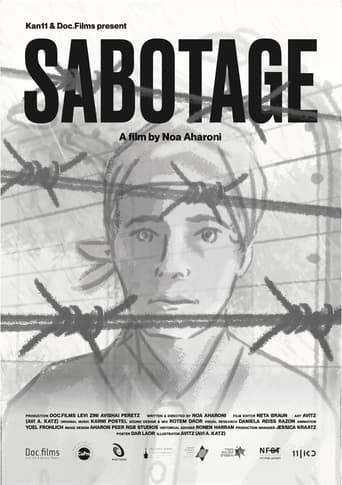
This hybrid documentary utilizes animation, archival footage and live testimony to dramatize the untold story of a women’s underground resistance operation in Auschwitz-Birkenau. Risking their lives, these courageous women smuggled gun powder out the munitions factory where they worked, with the goal of blowing up the gas chambers. The diary of Anna Wajcblum, one of the saboteurs whose sister was publicly hanged after being caught, forms the basis for the film. After the war, Anna became a social worker in Ottawa. Her diary highlights the bonds of friendship established between these women under the most horrific circumstances.
About Russian space program and missile industry, and it's founder Sergei P. Korolev, from the 1920s to the first man in space in 1961.
A mestizo (mixed race) Spanish and Indian soldier returns to Peru from Europe in 1618 to find a document that can prove he is not illegitimate.
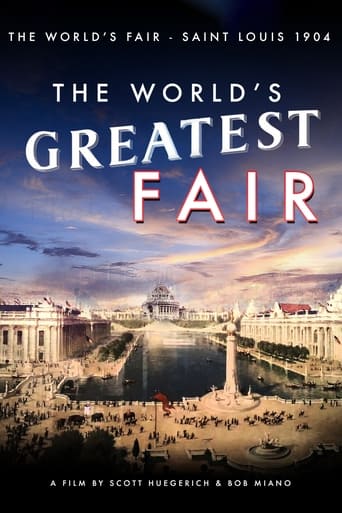
An intimate and unique look at the 1904 World's Fair in St. Louis told in the words of those who were there to experience it firsthand. With a wide range of events and attractions that included the first ever Olympic games on American soil, the first Ferris wheel, and a special appearance by the legendary Geronimo, this remarkable and extravagant fair would mark the beginning to what President Theodore Roosevelt would refer to as "the American century."
In Tehran 1916 during first world war a group of patriots make a punishment committee to punish the traitors. With the lead of Abolfatooh Mirza, Reza Tofangchi begins the assassinations.
Maeda Tsunanori, the lord of Kaga Domain, had two young princes - Katsumaru, the son of his legitimate wife, who died, and Yasunosuke, the son of his concubine. However, Katsumaru suddenly lost his mind and appealed to the shogunate to hand over the reins of the family Yasunosuke, but the request was rejected. Vassal Osawa Kuranojo suspects that this is the work of Ishikawa Torajiro, a swordsman from the Katsumaru group, and begins an investigation.
The story of the siege and eventual relief of British soldiers garrisoned at Lucknow during the 1857 Indian Rebellion. Only a fragment of the original film remains.
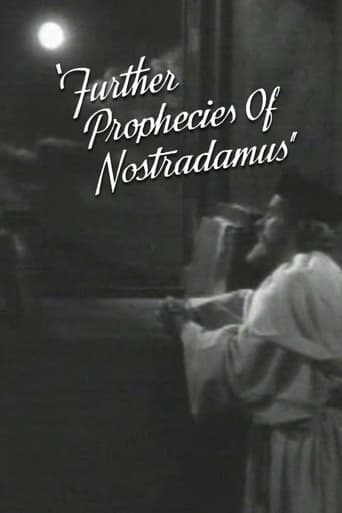
This short film applies the prophecies of Nostradamus to events of World War II.
When Isa provokes the Nazis with a satirical song at her graduation party, she is denied her degree despite passing her exams. She has to give up her plan to become a teacher and, against her mother Petra's wishes, manages to perform in a political cabaret. She enjoys stage success as a singer with an accordion and falls in love with the pianist Laurenz. During the Second World War, Isa's family gets caught up in the wheels of political power and is torn apart - until, after much turbulence, the Vermehrens regain their old cohesion and accompany Isa together as she enters a convent in Bonn.
Savannah’s moss-covered forests, with all its whispering winds and enchanted branches, are alive to little Bertie Bee Hooks, the gifted granddaughter of an experienced midwife. As she absorbs the wisdom of folk medicine, Bertie Bee will work with her mystical connection to the spirit world as she becomes exposed to the tragedies of a wounded American past.
Activate Your Account!
You must create an account to continue watching