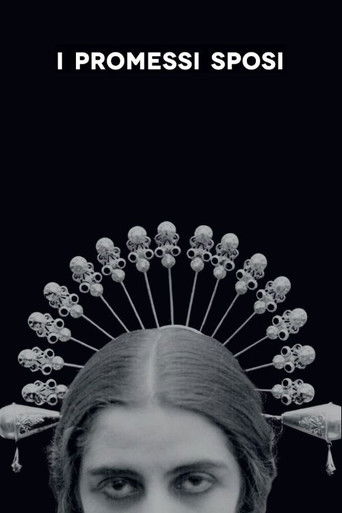
Based on the famous historical novel by Alessandro Manzoni, and set between 1628 and 1630 in Lombardy, Northern Italy, during the Spanish domination, the film displays the marriage between two young textile workers, Renzo and Lucia. The 1922 version is one of the most ambitious and spectacular films in all Italian silent cinema, with remarkable mass scenes and some images that sparked controversy.
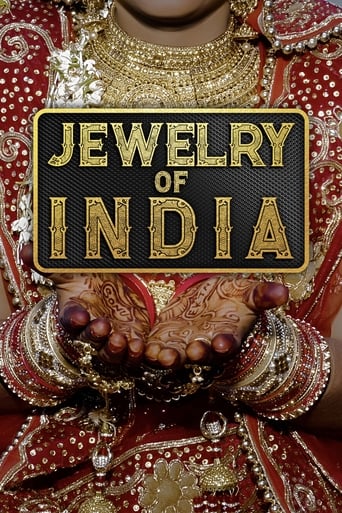
Mother India is home to many castes, tribes and religions and one common factor that brings this diverse country all together is Jewelry. Come explore the deep history and culture of the jewelry of India dating back more than 5000 years. As we explore the history we also take you into Bangalore, India and talk to local Jewelry Stores and Jewelry Artisans as they share their stories and their family history of their involvement in jewelry going far back into their family ancestry.
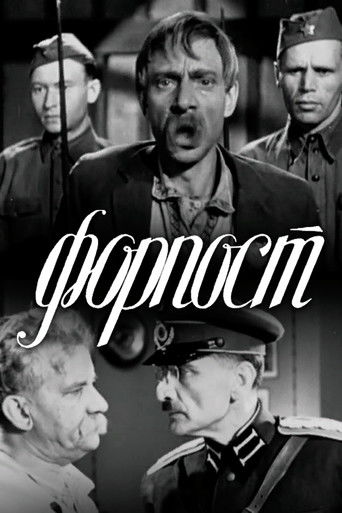
June 22, 1941. The day began as usual at a museum on the western border of the Soviet Union, but in the afternoon a bloodied horseman burst into the museum courtyard. It was the commander of the guard. The museum director, his wife, the gardener, and the commander set up a makeshift barricade. Soon a fascist motorcade appeared. The museum's defenders fought fiercely and held off the enemy until rescue forces arrived.
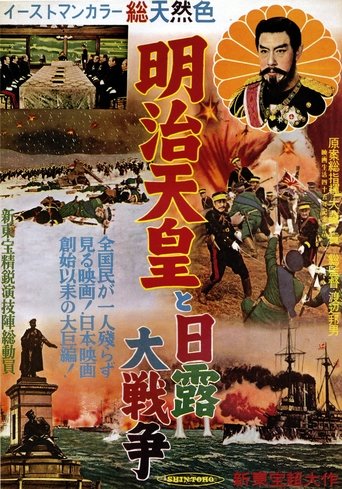
Meiji Tenno portrays the buildup to the Russo-Japan War. In addition to showing the political events that led to war, it also shows the era from the story of a farm family in rural Japan that sends their son off to war. As such, it could be considered an anti-war movie, showing how, while war is devised by governments, the people do not really understand what war is, and its combatants often do not know what they are fighting for.
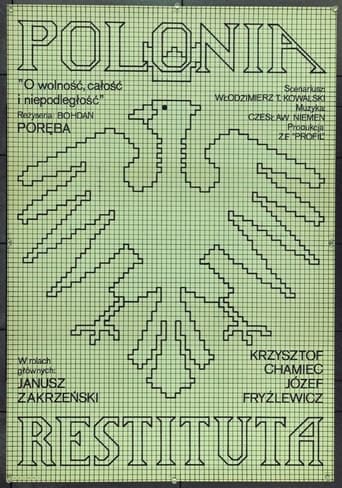
A two-part historical film covering the years of the First World War and the post-war period up to 1919 - until the signing of the peace treaty in Versailles near Paris. An attempt to show the great and complicated process of regaining an independent existence by a nation within its own state. The screen shows characters from history textbooks: Józef Piłsudski, Ignacy Paderewski, Roman Dmowski, Wojciech Korfanty as well as representatives of the world political scene, incl. David Lloyd George, Woodrow Wilson, Georges Clemenceau, Vladimir Lenin and others.
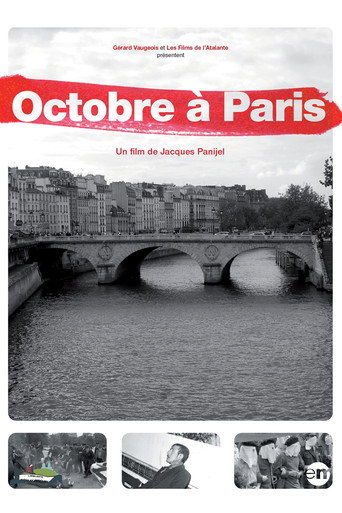
On October 17, 1961, 30,000 Algerians demonstrated peacefully in Paris to protest the discriminatory curfew imposed upon them and to demand Algerian independence. Under the authority of the then Prefect of Police, Maurice Papon, the demonstration was brutally repressed, resulting in the deaths of dozens of Algerians. Historians cite eleven thousand arrests, dozens of murders, demonstrators thrown into the Seine, hundreds of expulsions, and just as many complaints that went unanswered; all for a night that would become a blind spot in the national narrative. No investigation, no trial, and certainly no commemoration. The day after the demonstration, Jacques Panijel began filming *October in Paris* to alert the public to the massacre that had just taken place in the streets of Paris. The film was banned by the French authorities. It obtained a distribution license in 1973. It was first shown in theaters in October 2011.
Warsaw, September 19, 1940: a Polish officer is captured during a raid by the German army. In reality, the SS have just fallen into a trap. This man has organized everything to be arrested. His name: Witold Pilecki. His mission: to be interned in Auschwitz, to infiltrate the death camp. This film traces the story of one of the greatest resistance fighters of WWII, through the compilation of reports that the infiltrator smuggled to London from the concentration camp where he was detained.
The Mandrin Cave in the Rhône Valley is a fascinating excavation site. Archaeologist Ludovic Slimak discovered fossils and flints here, proving that Neanderthals inhabited the cave for over 80,000 years. The first Neanderthal in France for half a century was also unearthed in the cave: He was given the name Thorin.
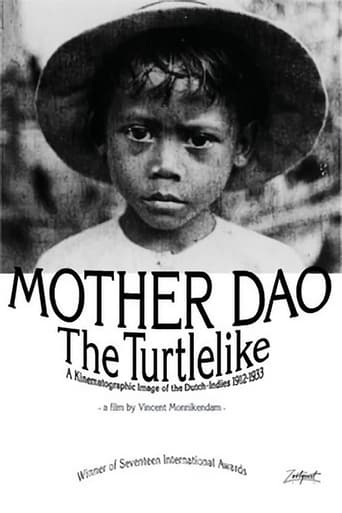
In a span of ninety minutes the film aims to show how the Netherlands administered its colony as a colonial enterprise and what the relations were like at the time. The usual commentary has been omitted and in its place poems and songs in Bahasa Indonesia have been included in a digital sound composition. In Mother Dao the Turtlelike, the viewer sees how the colonial machinery in the 1920s was implanted in a world so different from Western Europe.
The passionate story of the femme fatale, seductive and dangerous, a myth and a fantasy, through her representation in art.
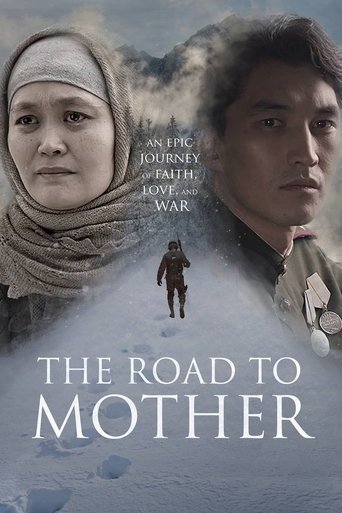
When the Soviets impose new ways of collective farming and permanent settlements on a region of nomadic dwellers, young Ilyas is separated from his mother, Mariam. Through decades of war, mother and son persevere in their efforts to be reunited.
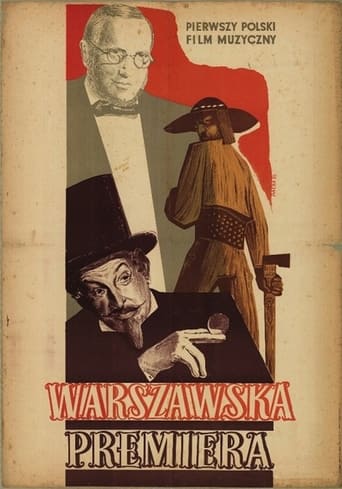
Polish composer Stanisław Moniuszko fights for the right to stage his opera "Halka".
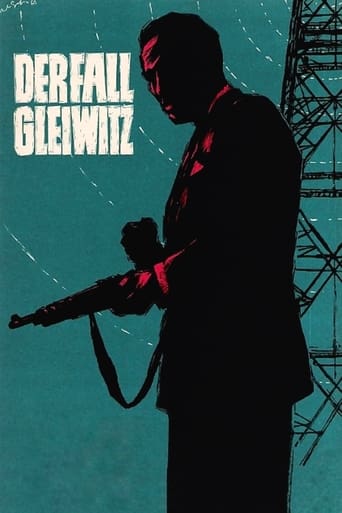
To justify their invasion of Poland at the start of WWII, Nazi high command hatches a secret plan: six Polish men from an SS training camp are sent on a special mission to the town of Gleiwitz, to fake a Polish raid on Germany. The ‘provoked’ Germans will thus launch a ‘counterattack’ on Poland.
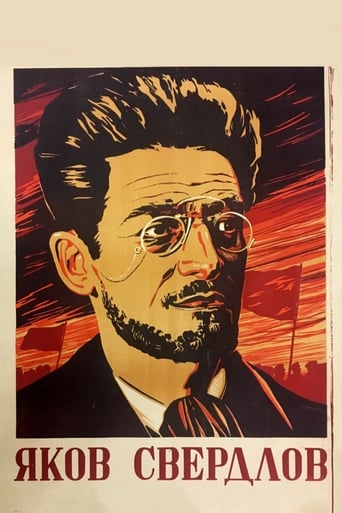
Story on the life and work of the first chairman of the All-Russian Central Executive Committee, Yakov Mikhailovich Sverdlov.
After the murder of her lover Caesar, Egypt's queen Cleopatra needs a new ally. She seduces his probable successor Mark Antony. This develops into real love and slowly leads to a war with the other possible successor: Octavius.
A British secret agent takes up the job of solving a dark mystery. He is led into a web of love, deceit and betrayal. His success and failure can change the course of history.
Second film in the long-running series Daiei Studio's Woman Gambler with Kyoko Enami starring where she plays the woman gambler Ogin. In a fierce gambling den where rough men clash like sparks, two female gamblers vie for the same man in a high-stakes, best-of-seven showdown—from which only one will emerge victorious. Amid the tense atmosphere, Natsue, a highly skilled card dealer, gracefully reveals her hand with the flick of her slender fingers. At that precise moment, across the table, Takiko’s face goes ashen—she’s just lost the fateful game her lover had wagered his fortune on. The next day, Takiko and her boyfriend attempt a double suicide in despair, but she survives alone. Consumed by twisted emotions toward Natsue, a man named Isobe manipulates Takiko. Under his influence, Takiko seduces Tagami—who is Natsue’s fiancé—setting the stage for a dangerous and tangled web of love, revenge, and deceit.
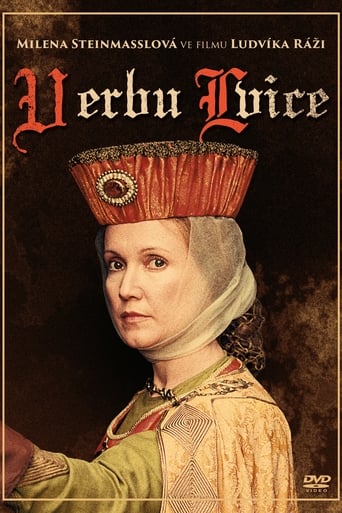
The life story of Blessed Zdislava of Lemberk, about whom legends rather than sparse historical references tell us that she was a deeply religious woman with healing powers who devoted herself entirely to the humble service of her sick and suffering neighbors.
Activate Your Account!
You must create an account to continue watching