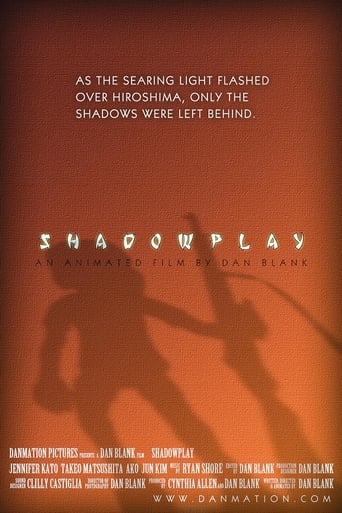
A stop-motion film, written, animated, & directed by Dan Blank.
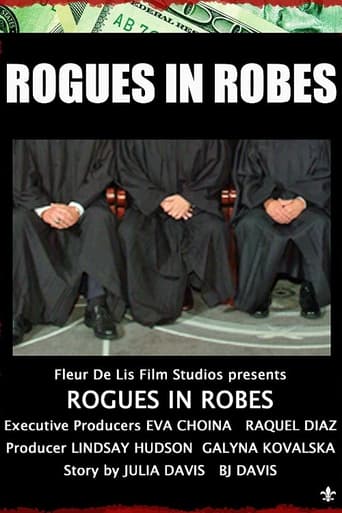
A clinical review of judicial corruption, the good and the bad guys showcased. The need for complete, federal and state judicial reform, term limits, with no immunities.
Historical film that focuses on political and social events took place in Argentina during the beginning of the 30s. Santafecino Deputy Lisandro de la Torre complaint in Congress Argentine meat business with England.
Asier and I grew up in the Basque Country. But one day he disappeared, later I found out he had joined ETA.
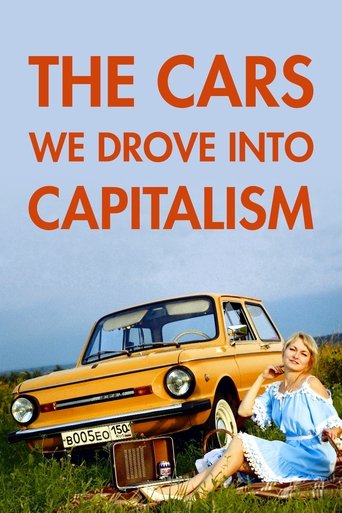
A cinematic, character-driven insight to what it meant to produce and to own a car in communist times: the Socialist propaganda dreams and the hard reality of living that dream. The freedom that these slow and clumsy vehicles were giving to their owners; the cars as an instrument in the Cold War battle; legends and homemade tune-ups as an attempt to stand at least a little bit off the crowd.
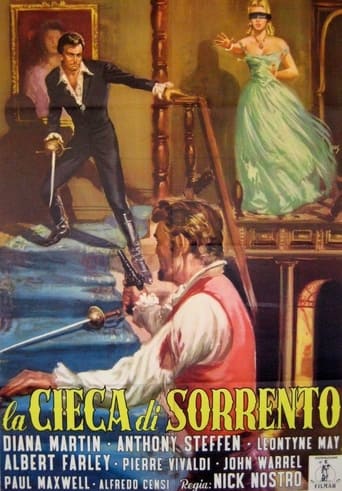
La Cieca Di Sorrento (also known as Revenge of the Black Knight is a 1963 cloak and dagger film directed by Nick Nostro and based on the novel of the same name by Francesco Mastriani. Masked knights fight the cruel Tyrant Amedeo, tutor of the beautiful, rich and blind orphan Isabella. The knights are led by a young doctor who in the end will defeat Isabella's evil oppressor, give her her sight and marry her.
Joseph Joanovici, a Romanian Jew married to Eva and father of Theresa, lives in Paris in 1939, on the eve of World War II. He managed to make his place in society by trading scrap.
In 2001, 85,000 baby teeth were discovered in Missouri, collected 50 years earlier in a study on the radioactive consequences of nuclear testing conducted on US soil. Carried by the wind, radioactive material produced by more than 100 nuclear explosions contaminated pastures, vegetables and water across the continent. Scientists and mothers in St. Louis, who launched the ambitious project to measure Strontium 90 in baby teeth, uncovered the disturbing environmental consequences of nuclear arms testing. Featuring narration from Alec Baldwin, director Hideaki Ito unveils the shocking legacy of nuclear testing in the US and the ongoing policy decisions shaping our future.
In this special edition of Globe Trekker Chinatown, Lavinia Tan, Justine Shapiro and Megan McCormick travel worldwide to explore the magic and mystery of Chinatowns across the globe. Lavinia Tan begins the journey in Malaysia and Singapore where overseas traders led the earliest migrations of Chinese people. The journey continues from there to the United States, where Justine Shapiro visits San Francisco. Megan McCormick explores New York s Lower East Side, home to the largest Chinatown in the Western Hemisphere. After a short trip to London s Soho district, Lavinia Tan ends this journey with a visit to Hong Kong exploring the world famous film industry and the 21st century migration of Chinese back to their homeland.
The war units of the Hun Emperor Mete Han and the Chinese Emperor Gao-Zu, the father of the turan tactic used by the Turks for centuries, come face to face in the Battle of Baideng. The war genius Mete Han was going to surround the Chinese with an unexpected war tactic and inflict a heavy defeat on them.
The life of Shalom, The Nazi major officer Adolf Eichmann's hangman, turned ritual slaughterer, encapsulates the story of Israel from the perspective of the 'other'- the marginalized Sephardi prison warden who is forced to do the dirty work of hanging the arch enemy and thus to carry a national burden that dramatically shaped his life. His job in the abattoir, together with his memories of his past, create a fascinating and complex portrait. His voice, yet unheard, from the edge of Israel's historical events, reveals new insights through his unique perspective. Shalom's clear, alternative voice from the margins of society carries a deeply humanistic universal message.
A cozy fire, cookies and cocoa (full mugs this time!), and a favorite uncle, played by Evangelical headcase Kirk Cameron, to read the Christmas Story. It's tree trimming night for the Barnes family – and a young, logical guest who thinks the Bible is just another story. Then, as the timeless words of Luke and Matthew unfold the events of the first Christmas, something wonderful happens. The Bible comes vividly to life!
In 2002, the greatest prison in Latin America, Complex Carandiru, was demolished. A couple of months before its implosion, director Paulo Sacramento trained some inmates and together with his crew, they produced many hours of footage, showing daily life in prison.
In 1793, a police officer tries to save the ex-Queen from the guillotine.
The official Rocky Mountain National Park Centennial film. The stunning cinematography will take you on a journey into Rocky Mountain National Park’s spectacular landscapes. This film includes historic images and interviews with national park rangers who share their heartfelt insights on the value of national parks to our generations and those to come.
A French man recalls his moviegoing adventures at a now defunct titular theater as a journalist for the film magazine Cahiers du Cinéma during the mid-1950s.
The story of the laborer family Debruycker during the turbulent strike by Vieille Montagne in 1971.
Activate Your Account!
You must create an account to continue watching