I traveled to South Africa to find a white family living on a desolate farm. I wanted to film how they faced the new days of equality after the fall of Apartheid. But I soon lost my way both on the endless roads and in my way. Instead, the film became a story about two very different women who both experienced a tragic loss in the midst of a white community not too fond of the future.
Two sisters prepare in the hall of the castle as the prince awaits his suitresses. There's a lot at stake for their small village and it's not everyday that you find yourself so close to the power. However, the procedure for the visit has changed and the girls must now do everything they can in order to get the older sister ready for the fateful meeting.
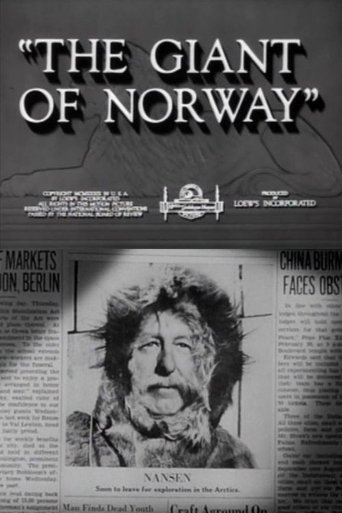
This short tells the story of Norwegian explorer and diplomat Fridtjof Nansen (1861-1930). After a life of adventure, he was instrumental in resettling tens of thousands of refugees and displaced persons resulting from World War I. He continued this work in 1922 after the war between Greece and Turkey. The film ends by reminding moviegoers to think of the plight of contemporary refugees caused by the fighting in Europe.
Known for his mournful "Adagio for Strings," Samuel Barber was never quite fashionable. This acclaimed film is a probing exploration of his music and melancholia. Performance, oral history, musicology, and biography combine to explore the life and music of one of America’s greatest composers. Features Thomas Hampson, Leonard Slatkin, Marin Alsop and many more of the world's leading experts on Barber's music, with tributes from composers Leonard Bernstein, Aaron Copland, Virgil Thomson and William Schuman. The film was broadcast on PBS, and screened at nine film festivals internationally, with three best-of awards. It was named a Recording of the Year 2017 by MusicWeb International.
The mavericks who pioneered the modern pit stop made it a raceday staple that takes less than two seconds.
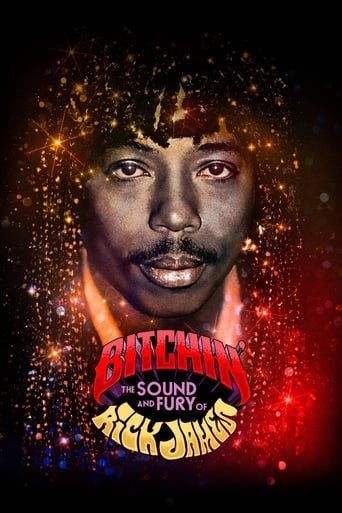
This profile of legendary funk/R&B icon Rick James captures the peaks and valleys of his storied career to reveal a complicated and rebellious soul, driven to share his talent with the world.
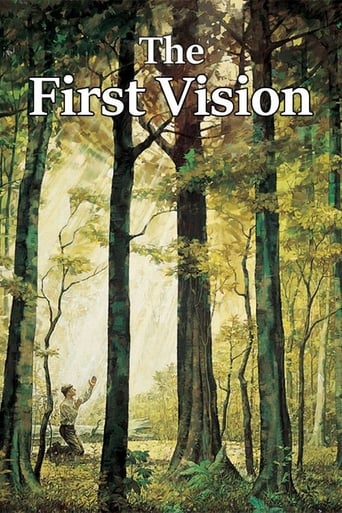
Seeking the true Church of Jesus Christ, 14-year-old Joseph Smith prayed in a grove of trees near his home in Palmyra, New York. In answer to his humble prayer, Heavenly Father and Jesus Christ visited him and told him that he must not join any of the churches on the earth at that time.
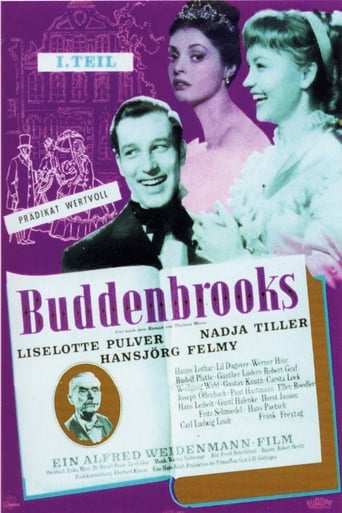
First part of two of the saga of the troubled Buddenbrook family and their business in mid 19th century Germany.
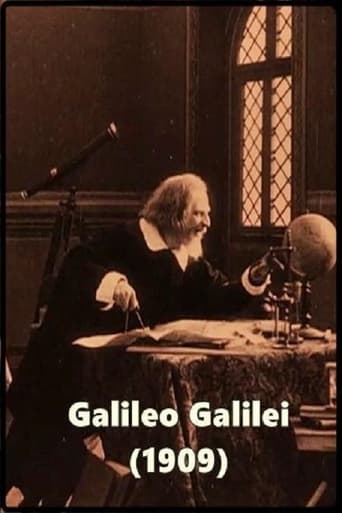
Scientist Galileo Galilei was engaged in his studies, but a servant of his attempts to seduce his daughter, and denounces Galilei to the Holy Office.
Thomas Cromwell has gone down in history as one of the most corrupt and manipulative ruffians ever to hold power in England. A chief minister who used his position to smash the Roman Catholic church in England and loot the monasteries for his own gain. A man who used torture to bring about the execution of the woman who had once been his friend and supporter - Anne Boleyn. Diarmaid MacCulloch, professor of the history of the church at Oxford University, reveals a very different image of Cromwell. He describes Cromwell as an evangelical reformer, determined to break the hierarchy of the Roman Catholic church and introduce the people of England to a new type of Christianity in which each individual makes direct contact with God.
Ballad of the Masterthief Ole Hoiland (Norwegian: Balladen om mestertyven Ole Høiland) is a 1970 Norwegian drama film directed by Knut Andersen, and starring a broad cast of notable Norwegian actors, headed by Per Jansen as Ole Høiland. Ole Høiland was an actual Norwegian Robin Hood-figure in the early 19th century. He steals from the rich and gives to the poor, enjoying numerous affairs with attractive women along the way. The story culminates in the ambitious burglary of Norges Bank, Norway's central bank.
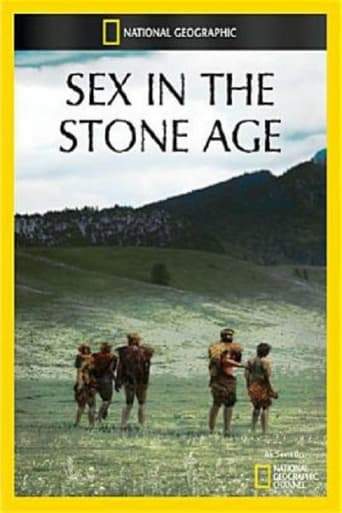
A fragment of a pinky bone and a tooth twice the size of today's average molar are the only remnants of a species we now know lived at the same time and place as modern humans—and interbred with them. They are a part of us we never knew existed. What did these "people" look like? And how do they fit into what we thought we knew about our biological development as a species?
A brand new decade begins. There is unrest in many places in Africa and Sweden is sending UN troops to the Congo. The Shah of Persia visits Stockholm and Lena Larsson writes an article she calls "Buy, wear and throw away" - and the debate about this will continue for years.
Vitaphone production reels #2471-2478; third Warner Bros. feature film - the first being The Jazz Singer and the second Tenderloin - to include talking sequences, along with the by now usual Vitaphone musical score and sound effects. A copy of this film survives at the Library of Congress in Washington, D.C., but the sound disks are lost.
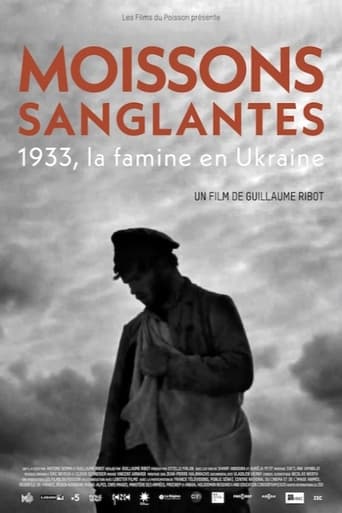
Between 1931 and 1933, 4 million Ukrainians were to die of hunger. This famine was not preceded by any cataclysmic weather event, nor by a war. This was an ideological crime: decided by Stalin and approved by the Politburo, with the aim of punishing Ukrainian peasants who refused the collectivization of the countryside, cultivated a strong form of nationalism and showed resistance to communist ideology. Drawing on previously unpublished material, on many Soviet films and on a number of particular points of view, including that of Welsh journalist and whistleblower Gareth Jones, this film retraces the story of that famine.
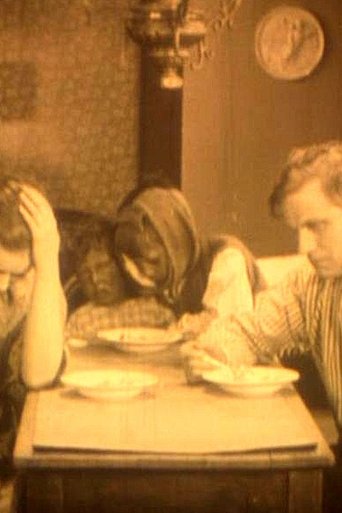
Spanning three generations, the film depicts life in Copenhagen from the perspective of the working class. The film portrays the development of the city, the new opportunities arising and the improved living conditions created as the welfare state expands. ‘From darkness towards light’ is Denmark’s first-ever Social Democratic propaganda film, and it was part of the election campaign leading up to the local elections in 1929. (stumfilm.dk)
Activate your FREE Account!
You must create an account to continue watching