A fresh new look at Lolita, the famous and controversial novel published in 1955 by Russian writer Vladimir Nabokov (1891-1977), a masterpiece of English-language literature that has been constantly misinterpreted by countless readers who have mistakenly turned its young heroine into an erotic icon.
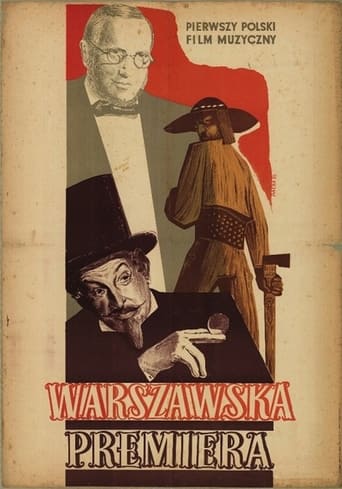
Polish composer Stanisław Moniuszko fights for the right to stage his opera "Halka".
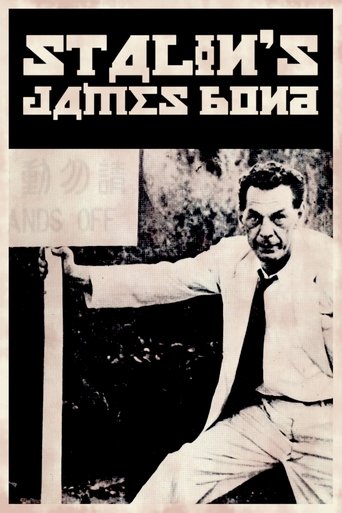
An account of the troubled life of Richard Sorge (1895-1944), a Soviet spy of German origin who played a decisive role in the outcome of World War II.
1790 Turku. After Katarina Thorwöst becomes a widow, there are many suitors, but her heart belongs to the fencing teacher lieutenant Carl-Magnus Schildt.
Perhaps the most beloved (and indisputably the greatest) American president, Abraham Lincoln was, in many ways, an enigma -- equally loved and hated in his lifetime. What drove John Wilkes Booth to assassinate Lincoln? Was the Confederate government behind the plot? The questions that have haunted Americans for more than 100 years are finally answered in this fascinating documentary that employs forensic experts as well as noted historians.
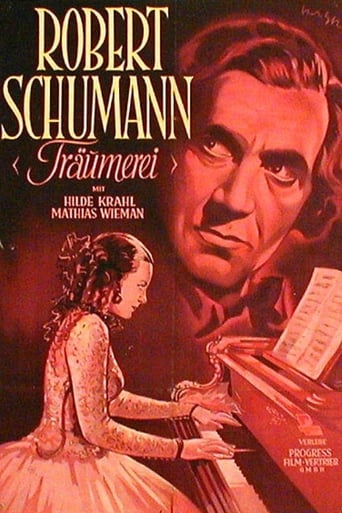
A musical film based on biographical facts about Clara Wieck's love for composer Robert Schumann (1810-1856), her marriage against her will, Schumann's triumph, and his tragic end due to mental illness. The film is beautiful and entertaining, full of noble spirit and beautiful words about art and love, which only conflict in a theoretical context; not least thanks to its solid cast, this film is quite serious and far from kitsch. Completed in 1944, during World War II, the film was rejected by the Nazi leadership, but was eventually released and enjoyed success with an audience already weary of war.
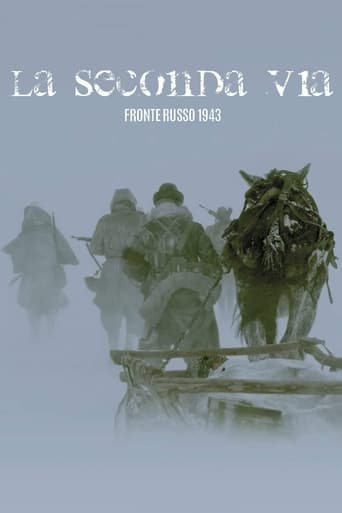
Russian front, January, 1943. It's hell: the flurries of sleet take the breath away and Sergeant Bisi can make out nothing in the landscape in front of him.
Based on real events in Peru, 1963. A team of revolutionary foreigners planned and pulled a heist on the biggest bank in Peru. The loot helped fund the rural revolution in Concepción, Cusco.
It focuses on the last ten years of life of the hero, creator of the Argentine flag. In 1810, Manuel Belgrano believes that it is possible to replace the royal authority - that of Fernando VII prisoner of the Napoleonic troops - with the community of virtuous men who, identified with the Homeland, fluently interpret the People.
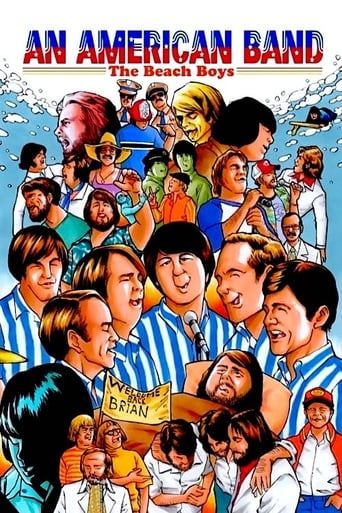
A biography of the American rock band The Beach Boys, with interviews, concert footage and clips from movies and television shows they appeared in.
A musical that brings a bit of the history of Brenda Lee, called the "guardian angel of transsexuals", activist who founded the first support house for people with HIV/AIDS in Brazil. She has a pension for trans women who, for the most part, live off prostitution. Despite the reality of violence in which they live, inside the house, the transsexuals are welcomed by Brenda, who teaches them to want more out of life.
The story of Balthasar Russow, an Estonian pastor from the 16th century, his life and life's work - writing The Chronicle of Livonia.
On the road between Enyed and Felvinc, on the bank of a stream, stand two huge willow trees. They are a historical memory. This memory is recalled in the story, from the time of the Kuruc-Laban war. It shows how the students of the college saved the town.
The Suharto regime has been holding power in Indonesia for over 30 years, shutting down democracy time and time again. Highly critical of the regime and unafraid to speak his mind, Wiji Thukul is a poet whose words are often yelled proudly by the crowd during political protests. When riots break out in Jakarta in 1996, he and a few other activists are accused to be responsible. Forced to flee, Wiji escapes to Pontianak in Borneo where he hides for eight months, sometimes living with complete strangers. There, he has to change his identity several times, but continues to write poetry and short stories under a pen name. In the meantime, in Solo, central Java, his wife, Sipon, lives with their two children under constant surveillance. In May 1998, Wiji Thukul is declared missing, a month before Suharto is deposed by his own people.
Tutored by Aristotle, helpless witness to his father's assassination, and a brilliant, pioneering tactician, Alexander the Great had conquered the known world--and sealed his legacy as one of history's most remarkable rulers--by the age of 25. In the year 334 B.C., 20-year-old King Alexander of Macedonia decided to bring the farthest reaches of the world under one domain. Over the next 12 years, he led a grand army across more than 20,000 miles and eventually brought all of Asia under his control, only to perish from battle wounds at the age of 32. Incorporating dramatic onsite reenactments with high-end computer graphics and the expertise of renowned scholars, THE TRUE STORY OF ALEXANDER THE GREAT is special presentation from THE HISTORY CHANNEL®, examining the life and career of this military genius, impassioned lover, and fearless leader. Hosted by Peter Woodward (Conquest), this definitive program is available on DVD for the first time.
In seventeenth century's Chile a woman kills her lover because she wants to conquer a priest.
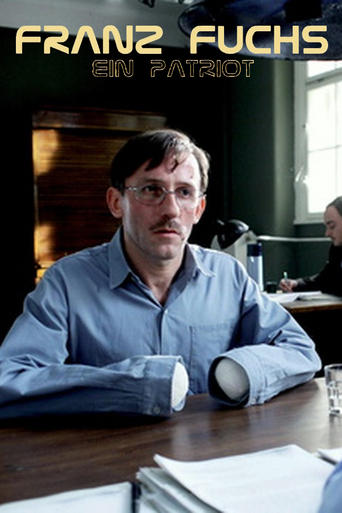
A semi-documentary feature about one of the biggest criminal cases in Austrian history – the letter bomb attacks of Franz Fuchs.
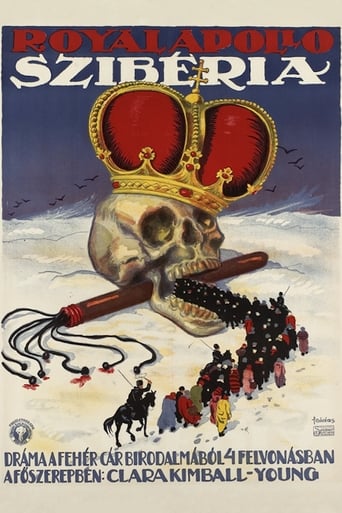
In Czarist Russia, attractive Anna Ivanovna has consecrated her life to work among Russia's persecuted poor. She dispenses food, medicine, and funds to the needy, from a busy charity headquarters. Two men, separate in station, are in love with Ivanovna: Poor doctor Paul helps as much as he can, and wealthy merchant Serge donates money. The relentless and lascivious Chief of Police, also attracted by Ivanova's beauty and virtue, determines to possess her, and sentences all three to fifteen years in Siberia and East Russia on false charges.
Activate your FREE Account!
You must create an account to continue watching