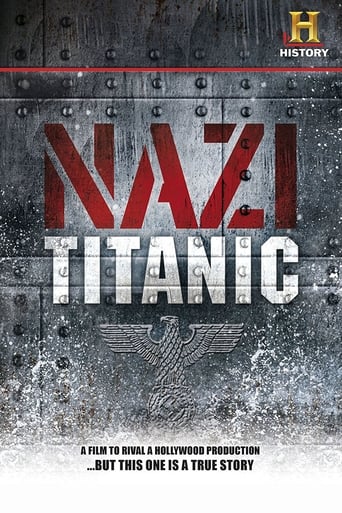
During a bizarre chapter of WWII, Nazi propaganda minister Joseph Goebbels decided to make a movie based on the sinking of the Titanic. This epic film was so large in scale that the Nazis were forced to divert men, material and ships from the war effort in order to complete it. Titanic was filmed aboard cruise ship SS Cap Arcona in the Baltic Sea. The movie’s director Herbert Selpin was arrested by the Gestapo over comments he made about the ship’s crew and he was questioned by Goebbels. Selpin was found dead the next day in his cell. The Gestapo’s verdict was suicide. Titanic never received the impressive premiere that Goebbels intended, being first shown in Nazi-occupied Paris in 1943. We reveal this little known but fascinating story by looking at the making of the film, as well as the fate of the German ship Cap Arcona.
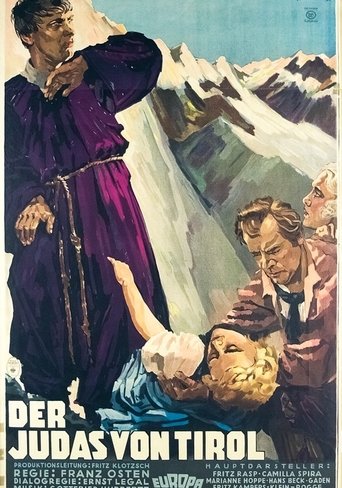
In the year 1810, the Tyrol is suffering under French occupation. A servant, who believes himself oppressed and disenfranchised by the peasants, dreams of being allowed to play Christ in the yearly Passion Play. Instead, he is forced to play Judas and soon the lines of reality blur: he betrays the location of Andreas Hofer, hidden by the farmers, breaks under the weight of his guilt and suffers Judas' fate.
Brilliant composer and violinist George Enescu is at the peak of his career and wants to compose an opera. He falls in love with a princess, Maruca, who inspires and challenges him. She is fascinated by Enescu and his music, she loves him passionately, but has a duty towards her husband and her two children. Destiny will release her from the chains of marriage, but will that be enough for the genius and the princess to live happily ever after?
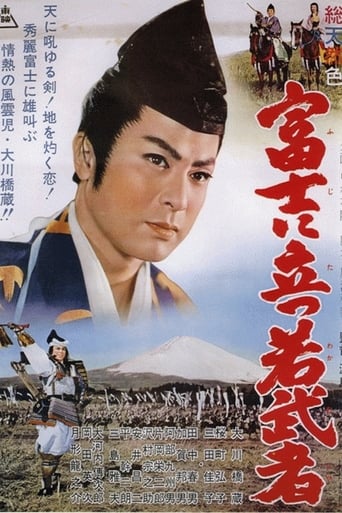
The epic battles between the Heike and Genji (Taira and Minamoto clans) take centerstage as the defeated leader of the Genji, Minamoto Yoritomo resolves to end his clan's exile and avenge the brutal loss in December, 1159 as they had fought under the white banner of the Emperor, while the Taira fought under their red flags in a battle to the death. The fight only took one day, with the Genji suffering utter defeat which led to their exile. His father, Yoshitomo, took responsibility for the loss and rather than live in humiliation, he decides to commit suicide with all his sons following him. However, the bravest warrior among them, Yoritomo stands tall and declares that he will not kill himself, but rather will fight to restore the clan.
The history of a Polish family and its contributions to the war effort throughout American history.
The anti-psychiatric Socialist Patients' Collective (SPK) was founded in Heidelberg in 1970 and attributed individual suffering to society’s capitalist structures. It began as a self-organised experiment in group therapy led by doctor Wolfgang Huber with psychiatric patients, featuring Hegel readings and individual agitation, before subsequently radicalizing, which ended in criminal proceedings against its members, some of whom went underground with the Red Army Faction.
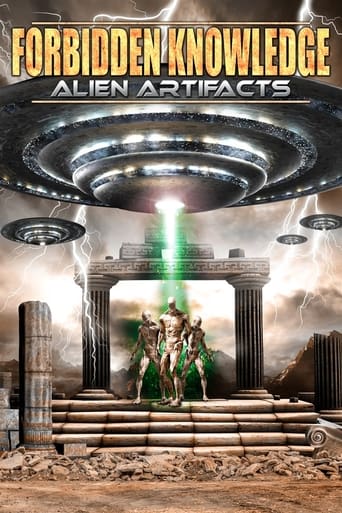
Shocking new evidence of highly advanced civilizations mounts as previously unexplored regions of the earth reveal mind boggling artifacts that defy all convention and utterly mystify today's academic and scientific factions. It's clear there are massive gaps between our current understanding of the cosmos and the origins of humanity and that of ancient civilizations that existed before "recorded history". Experience unprecedented relics and artifacts that force us to re-evaluate the mainstream dogma of who we are and where we came from.
The unbelievable story of Leonid Bernshtein, a young Jewish soldier who rose to become the leader and led the operation to destroy the secret facility of the notorious Nazi V2 ballistic missiles.
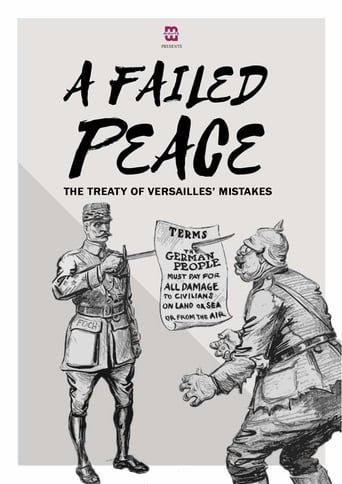
At the end of WWI, the treaty of Versailles established the conditions for peace in Europe. The aim for the victorious powers was to make Germany pay reparations, and to guarantee a future without war. Yet a decade later, the denunciation of 'Versailles' became a powerful lever for the nazis to obtain power as these reparations would mark the beginning of the humiliation of the German people, and nurture a feeling of having been bestowed a hopeless future. In the 20 years that follow the end of WWI, the issue of reparations and responsibility will effectively poison international relationship. The treaty negative impact goes well beyond WWII as the new European borders it implemented led to many conflicts during the twentieth century. This documentary shines a light on the causality between the decisions taken with the treaty of Versailles, and the ensuing events of the century.
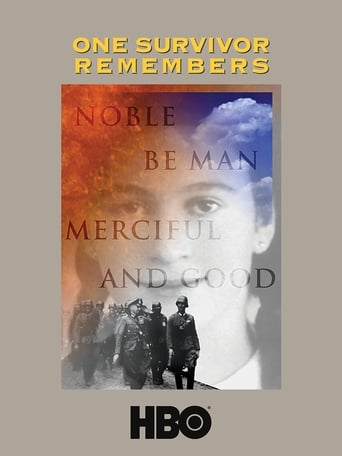
Co-produced by the U.S. Holocaust Memorial Museum Research Institute, this Academy Award-winning documentary relates the harrowing story of Gerda Weissmann Klein and her journey of survival and remembering both before and after the war.
A long-lost love letter between childhood friends is delivered back.
Monsieur de Fontenelle has resisted feelings of love and passion all his life, but at an advanced age he meets a young woman who makes him discover the feeling he has always wanted to ignore: love.
A biography of Vincent van Gogh using only images and the letters he wrote to his brother Theo.
Alexander, a tribal warlord and former political prisoner, kidnaps British tourists, holding them for ransom until Britain and the Greek puppet government in Athens meet his demand for amnesty for his band of freedom fighters.
Borges falls in love with Beatriz Viterbo, a high-class young woman, who decides to marry a government official who makes Borges strongly suspect him, speculating that he is a sadist who is slowly poisoning Beatriz. To save Beatriz Borges, he decides to turn to a detective, who becomes the hinge of an unthinkable story.
Follows the deportation of Karachays, which took place at the end of World War II. The film's director, himself a Karachay, tried to convey the experiences of people, life and culture, considering it important to make people realize what that did to him and his people.
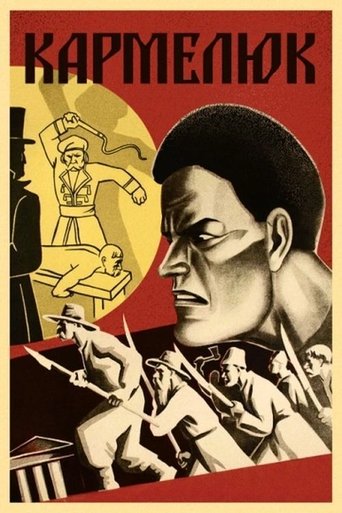
About the uprising of Ukrainian peasants under the leadership of the national hero Karmelyuk against landowners and Polish gentry. In the 1830s, Young Count Piglovsky returns to his estate from Paris. The carriage in which he is riding is surrounded by rebellious peasants. Their attempt to hang the master is canceled almost at the last moment, because it is not the count in the carriage, but his lackey - Ustym Karmelyuk. Ustym really serves as a lackey in the count's house and at the same time leads a peasant uprising. The government sends the army. In a fierce fight, Karmelyuk is almost captured, but he is saved by one of the serfs.
SATAN'S GUIDE TO THE BIBLE is an animated documentary. Join Satan as he shares Bible secrets, secrets the students' pastor learned at Christian seminary but is afraid to share. Thankfully, Satan's not afraid of losing his job. Satan has amassed an impressive list of biblical scholars ready to reveal the "standard stuff" taught in Christian seminaries: Bart Ehrman (UNC Chapel Hill), John J. Collins (Yale), Dale Allison (Princeton Seminary), Susan Niditch (Amherst), Ron Hendel (UC Berkeley), and Hector Avalos (Iowa State). This is established seminary curriculum about biblical history, biblical morals, authorship claims, and early Christianity — a curriculum never shared with the congregation. Darkly comedic, but thoroughly researched, SATAN'S GUIDE TO THE BIBLE is a fascinating journey into the secrets of the world's best-selling book.
Activate your FREE Account!
You must create an account to continue watching