The film displays Madame Récamier 's conflict with Napoleon. Twice she was pressed to become one of the Empress's ladies. In revenge for her refusal Napoleon declined to save her husband from ruin.
It is an epic movie about an Azerbaijani martur-hero who revolted against the Arab invasion of the 7th century.
Joseph Joanovici, a Romanian Jew married to Eva and father of Theresa, lives in Paris in 1939, on the eve of World War II. He managed to make his place in society by trading scrap.
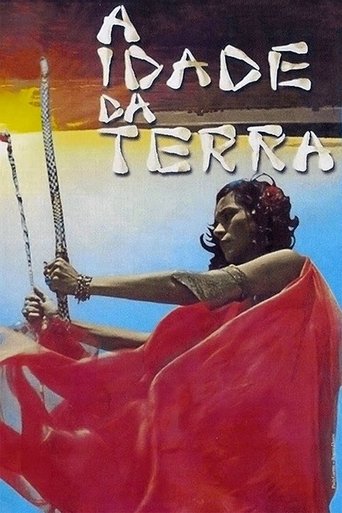
Drawing inspiration from a poem penned by Castro Alves, this film vividly captures the political, cultural, and intellectual climate of Brazil during the late 1970s. At its core, the story revolves around four distinctive embodiments of Christ's image: a black man, a soldier, an Indian, and a guerrilla fighter. These courageous individuals, hailed as the harbingers of doom in the tupiniquim lands, valiantly combat the insatiable avarice and oppressive "civilizing" brutality propagated by the formidable John Brahms—a foreign exploiter devoid of morals.
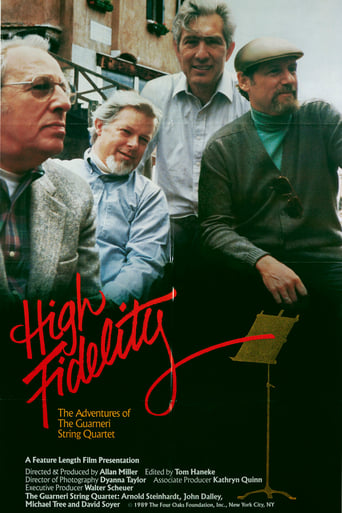
Relationships, rehearsals, performances, hobbies, and family life of the members of the Guarneri String Quartet.
Amidst a mostly Catholic community, a small tiny Anglican church offers more to the community of Placentia than people may think, and holds many connections and history to the rest of the world.
Biography of the life of Guillaume Apollinaire.
Directed by Bolotbek Shamshiyev, the movie shows Kyrgyzstan under early Soviet rule; and tells us about opium contrabanda across the border.
The economy is not doing well and in a few months Lucia will lose the mortgaged house where she lives with her two children, Mr. Carlos the owner of the Second-hand store, Sergio, Clown by day, waiter by night, and his wife Victoria. Julieta, the youngest child, is the family's salvation. She just graduated from law school when, on the morning of November 6, 1985, she leaves for her job at the Palace of Justice and never returns. There are witnesses that claim to have seen her alive after the Palace burned down after the Guerilla attack, the habitants lives of the house won't be the same. Based on true events and on a play in Colombia, 1985.
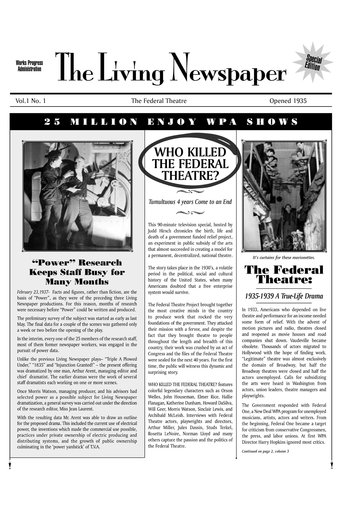
Part journalistic investigation and part performance documentary, "Who Killed The Federal Theater?" tells the story of the Federal Theatre Project within the context of a volatile period in the political, social and cultural history of the United States. The film features interview segments with playwrights, including Arthur Miller, and with actors, directors, designers, and historians. It also incorporates rare archival materials and dramatic sequences, including professionally re-created scenes from Federal Theatre productions that transport viewers back in time to a bygone era in American history and entertainment.
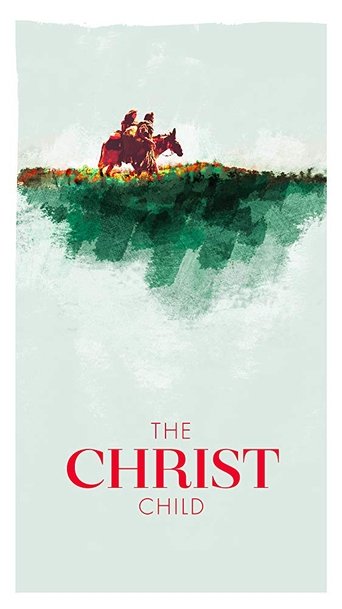
This new depiction of the Nativity story recounts in beautiful detail the sacred events found in the Bible about Jesus's birth over 2,000 years ago.
Are the medicines and every day products we use putting us at risk RESISTANCE sheds light on the global crisis of antibiotic resistance and uncovers how our extensive use of bacteria-killing antibiotics has created a new kind of disease, resistant to the medicines created to destroy it.
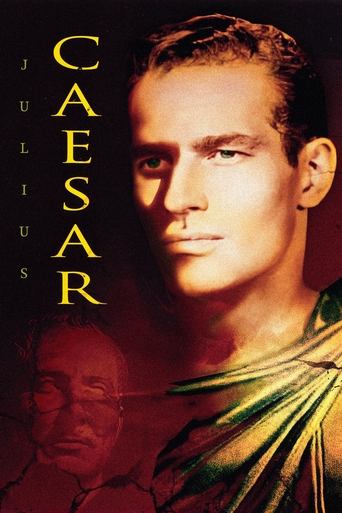
The growing ambition of Julius Caesar is a source of major concern to his close friend Brutus. Cassius persuades him to participate in his plot to assassinate Caesar but they have both sorely underestimated Mark Antony.
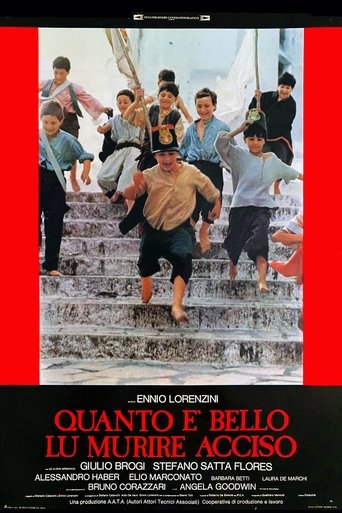
How Sweet it is to Die Murdered (Quanto è bello lu murire acciso) is an Italian historical film written and directed by Ennio Lorenzini and released in 1975. The original title of the film is that of a popular song reworked by Roberto De Simone, who is considered the precursor of the Neapolitan folk revival of the 1970s. The film depicts the failed expedition organized by Carlo Pisacane in 1857 to provoke an uprising in the Kingdom of the Two Sicilies.
A son seeking to fulfill his late father’s dream takes his band from the storied city of New Orleans to the shores of Cuba, where — through the universal language of music — dark and ancient connections between their peoples reveal the roots of jazz.
This Passing Parade entry looks at several historical "truths" that just aren't so: Steve Brodie never jumped off the Brooklyn Bridge; Mrs. O'Leary's cow did not start the great Chicago fire; Nero didn't fiddle while Rome burned; and Lady Godiva never rode naked through the streets of Coventry.
Professor Joann Fletcher explores what it was like to be a woman of power in ancient Egypt. Through a wealth of spectacular buildings, personal artefacts and amazing tombs, Joann brings to life four of ancient Egypt's most powerful female rulers and discovers the remarkable influence wielded by women, whose power and freedom was unique in the ancient world. Throughout Egypt's history, women held the title of pharaoh no fewer than 15 times, and many other women played key roles in running the state and shaping every aspect of life. Joann Fletcher puts these influential women back at the heart of our understanding, revealing the other half of ancient Egypt.
Activate your FREE Account!
You must create an account to continue watching