In 1581, the monk Seo-san predicts that the Japanese are planning an invasion of Korea. He goes to the king, suggesting that the kingdom build a stronger army, but he is thrown out of court. He begins training three pupils in martial arts, but rumors reach the king that Seo-san is training an army. The king sends his soldiers to have the monk arrested
The second film of the trilogy about Armenian Bolshevik revolutionery Simon Ter-Petrosyan (1882-1922) known as Kamo.
The years 1851-1856: events from the life of the writer Božena Němcová, who, because of her free-thinking views and strong patriotic feelings, comes into conflict with the society, the church and the Austrian authorities... A cold, too readable version of the writer's biography. The playwright František Pavlíček dealt with the theme of "Němcová" also later - in the times of his dissidence.
During the French Revolution, a revolutionary falls in love with and marries an aristocratic woman.
A family reflects on what they are grateful for, even though they cannot afford a turkey for their Thanksgiving dinner.
In the present, in Spain, Miguel's mind, affected by a brain disease, seems cloistered in the past, in Argentina, in the seventies, when he risked his life for his ideals. He is obsessed with finding a woman named Diana. Mario, his son, who has been away from Miguel for a long time, now feels compelled to unravel the mystery of a name that, like a curse, pursues his father.
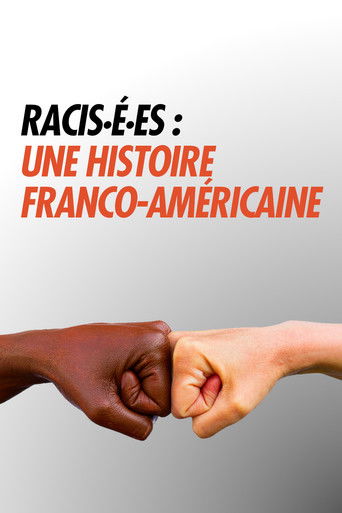
Within a few years, France has witnessed the emergence of a new perspective on society, identity, and race, leading to the creation of an unprecedented lexicon that contradicts the principles of French-style universalism. These days, terms such as "white privilege", "intersectionality", "cancel culture", and the adjective "racialised" are defining a new relationship between minorities, differences, and society, especially among the younger generation. What is the origin of this vocabulary? What does 'wokism' mean? What is the origin of its adoption in France? Is it an opportunity? Or a threat? Is this an unfortunate implementation of a model not our own? This documentary delves into the origins and consequences of a phenomenon that is no longer trivial through archive footage and insights from prestigious contributors, analysts, and witnesses.
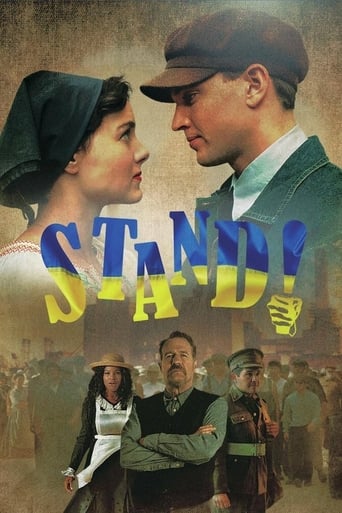
In post-World War I Winnipeg, a Ukrainian immigrant and a Jewish woman get caught up in a labour strike.
A small village in Navarre, Spain, XVII century. Garazi's grandmother is burned at the stake when accussed of being a witch and convicted by an inquisitor, something that brings Garazi under suspicion and eventually into prison, where she is atrociously tortured and humiliated.
Toussaint opposes the Spanish army and joins the French troops. On Saint-Domingue he succeeds to push the English back. He proclames himself as the gouvernor of Saint-Domingue. To restore the economy he takes a bold descision. He calls for the workers to return to the plantages...
The magical epos of Friesland's biggest hero.
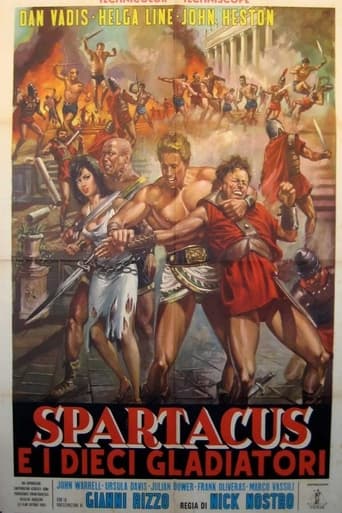
The story of Spartacus and 10 other gladiators who rebelled against the bloody coliseum sports. They escape and are faced at every turn by Roman soldiers bent on taking them back to the Coliseum - dead or alive!
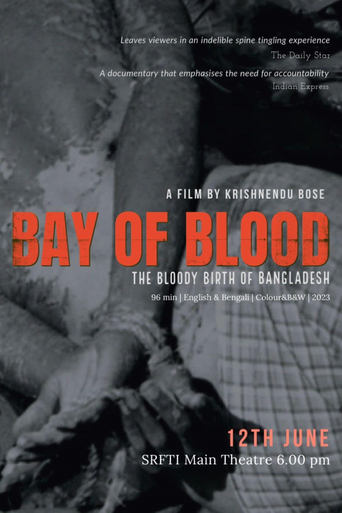
March 25th 1971, a horrific 'Genocide' was unleashed on the unarmed civilians of East Pakistan. This was done by their own Pakistani Army. An estimated 3 million people were killed, 10 million people were displaced to India as refugees and 400,000 women and girls were raped by the Pakistani soldiers. But Pakistan was not alone in perpetrating this violence. The then-American president and the National Security Advisor were supporting the Pakistani dictator. The cold war triggered this geopolitical escalation. Finally, India pressurized by the 10 million refugees within its borders, went to war with Pakistan. and joining forces with the local rebels, the Mukti Bahini, helped liberate Bangladesh. Cradled in the blood of innocents, a new nation was born in the closing days of 1971. "Bay of Blood", brings this 50-odd-year-old story to life.
German-language version. "Atlantic" is a drama film based on the sinking of the RMS "Titanic" and set aboard a fictional ship, called the "Atlantic". The main plotline revolves around a man who has a shipboard affair with a fellow passenger, which is eventually discovered by his wife. The ship also has aboard an elderly couple, Heinrich and Anna Thomas, who are on their anniversary cruise. Midway across the Atlantic Ocean, the "Atlantic" strikes an iceberg and is damaged to the point where it is sinking into the Atlantic. The German version was filmed at the same time as the British version, with each scene first being filmed in English for the British version, then the same scene being filmed in German by a German cast, using the same sets.
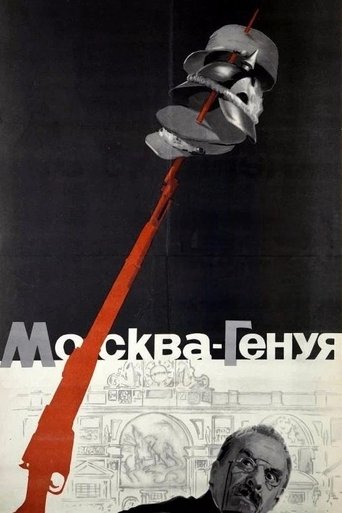
About the first steps of Soviet diplomacy at the international conference in Genoa in 1922.
In the tenth century AD, a Mongol tribe raids Lebanon, kidnaps the knight Hossam, and prepares to seize the tribe. Hossam's lover is able to help him escape from the grip of the Mongols, and he is able to form a fighting army to confront the invading forces. Thanks to training and determination, the Mongols are defeated by the Qaheroun brigade.
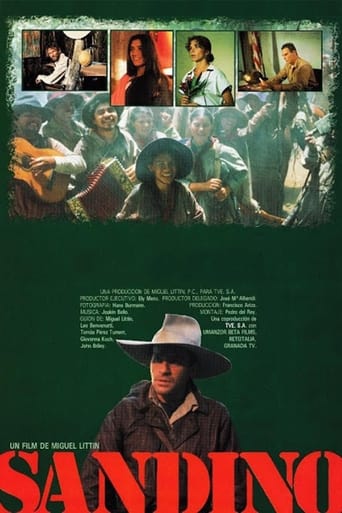
Narrative of a period of life (1926 - 1934) of the Nicaraguan revolutionary leader Sandino, who was known as "The general of free men."
The true story of Dennis Byrd, his football career, his terrible accident, and his miraculous recovery and rehabilitation.
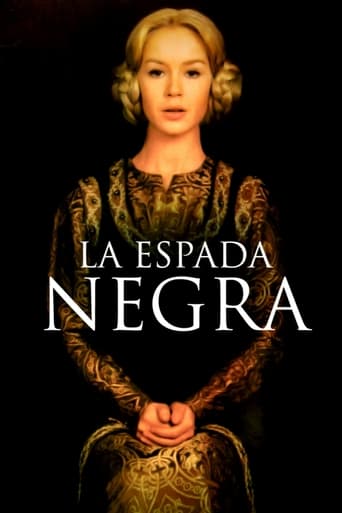
Kingdom of Castile, 15th century. A group of nobles, who question the dynastic legitimacy of Princess Juana, daughter of King Enrique IV, conspire with the purpose of overthrowing him.
Activate your FREE Account!
You must create an account to continue watching