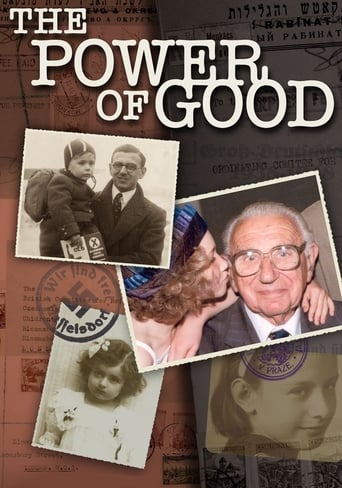
A gripping documentary about the courage and determination of a young English stockbroker who saved the lives of 669 children. Between March 13 and August 2, 1939, Nicholas Winton organized 8 transports to take children from Prague to new homes in Great Britain, and kept quiet about it until his wife discovered a scrapbook documenting his unique mission in 1988. Winton was a successful 29-year-old stockbroker in London who "had an intuition" about the fate of the Jews when he visited Prague in 1939. He quietly but decisively got down to the business of saving lives. We learn how only two countries, Sweden and Britain, answered his call to harbor the young refugees; how documents had to be forged and how once foster parents signed for the children on delivery, that was the last he saw of them.
A unique and compelling account of the day that changed the modern world, captured by ordinary people who chose to pick up their cameras and film that fateful day.
End of the 1930s. The times of Stalin's terror. Lieutenant Scherbakov got the order to shoot several "enemies of the people". Unexpectedly, a rural wedding found itself at the crime scene. Pursuant to the instruction, witnesses were also eliminated...
In Britain, during the revolution, the nephew of the Marquis de Lantenac, Gawain (P. Capellani) befriends Cimourdain (H. Krauss), a priest who follows the precepts of the Revolution. During the Terror, the Marquis went into exile in England while his nephew is a soldier in the Revolutionary Army ...
In 1913, chance brings together a young high school teacher Yurkevich, his first love Lida, a wealthy landowner Lundyshev and a German watchmaker Karfunkel at a small railway station. Seven years later, in the early twenties, and then another seven years later, the heroes meet here again. Their destinies are different, the country changes, their lives change...
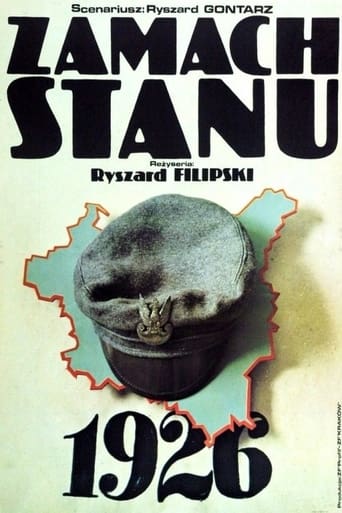
Fall 1925. Six hundred officers demonstrate in front of Józef Piłsudski’s country house in Sulejówek, demanding the Marshal’s return to active political life. May 1926—a government crisis; Wincenty Witos forms a new government. Piłsudski’s move sparks clashes between supporters and opponents of the ousted government. Piłsudski appoints Kazimierz Bartel as prime minister. The beginning of the “moral reform.” Ignacy Mościcki becomes president. Summer 1930. A joint platform of opponents to the Sanacja government is formed. “Centrolew” is established.
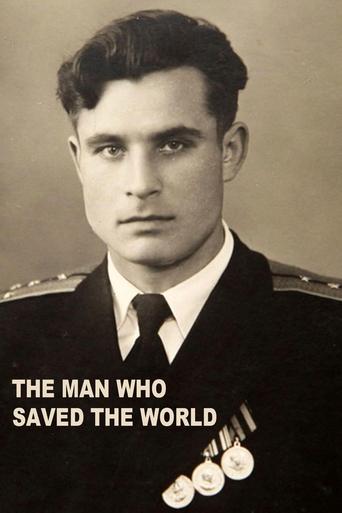
During the Cuban Missile Crisis of 1962, Soviet Navy officer Vasily Arkhipov refused to launch a nuclear strike and saved the world from nuclear war and total destruction.
Five Red Army soldiers, who found themselves in the rear of the Kolchak troops, captured an enemy armored car and captured an intelligence officer. From him they learn that soon a steamer with weapons and ammunition for the upcoming white counteroffensive is due to pass along the river. How to stop the ship, capture it, and then transport such a valuable cargo through ambushes and cordons of Kolchak troops entrenched on both sides of the river?..
A daring, compelling and controversial take on the life of prince Abdulaziz Al Saud (Ibn Saud), founder of Kingdom of Saudi Arabia.
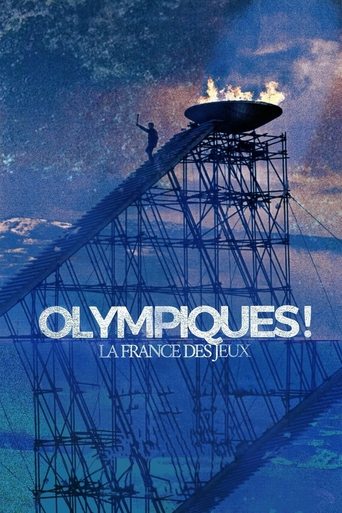
27 Olympic and Paralympic champions, aged 20 to 100, share their stories in this Mickaël Gamrasni documentary narrated by actress Marion Cotillard. As heirs to previous generations, they trace the incredible genealogy of French Olympism. The documentary revisits over a century of French participation in the Olympics, from their inception in 1896 to the recent feats that have elevated France to the summit. It’s a human adventure, brimming with memories, acts of bravery, and epic emotions: the collective narrative of France winning.
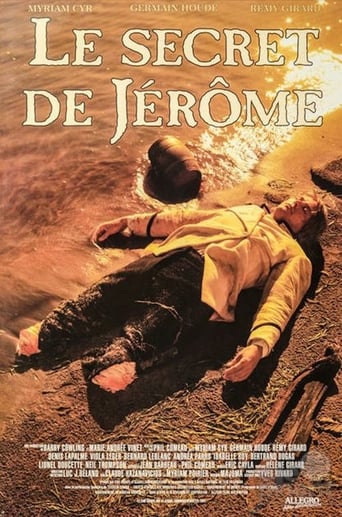
In 1863, when a legless, shipwrecked man washes up on the Acadian coast, he's taken to the home of Jean the Corsican, a burly and bitter former soldier, and his childless young wife, Julitte. The man, who is young, handsome, and well-dressed, remains mute as Julitte nurses him back to health. Jean, meanwhile, who is inexplicably estranged from Julitte and an outsider to townspeople, continues his hunt for pirate treasure, rumored to be hidden in a cave by the sea. The treasure is his ticket out of Acadia. As loneliness and Eros draw Julitte and the mysterious Jérôme together, something's got to give.
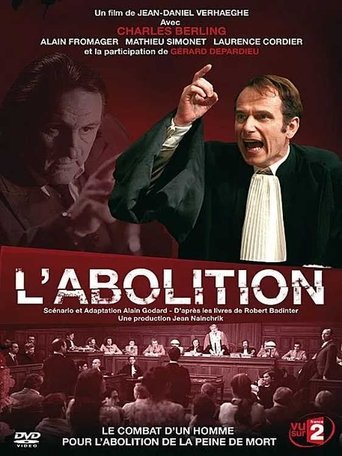
The story of Robert Badinter who was the major architect of the abolition of the death penalty in France .
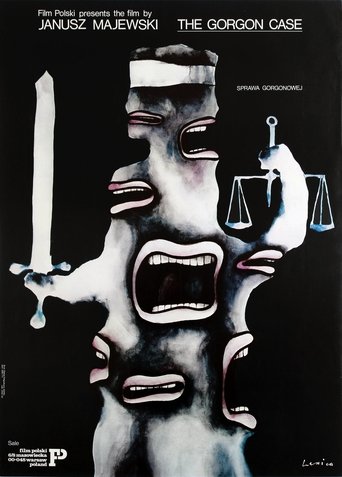
In 1931, just before the New Year, in a house of architect Henryk Zaremba scream rips the night. The daughter of Zaremba is found killed in her bedroom, obviously killed with a pickaxe. The police arrives and starts the investigation. Rita Gorgonova, the governess of the girl and also lover of Zaremba becomes the main suspect.
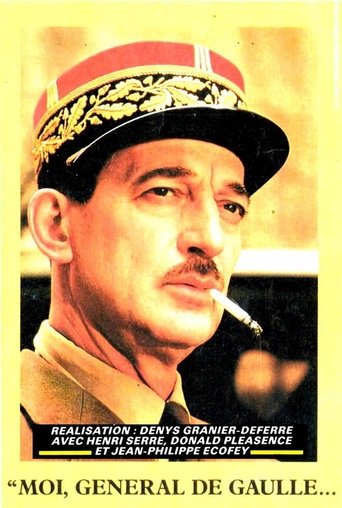
The first fiction film about de Gaulle. At the origin of the adventure, there is a script commissioned in 1942 from William Faulkner. It lacked the end of the story, and the view of the French of today. The destinies of the great and the small intersect, without meeting. Epics live on dreams as much as on reality.
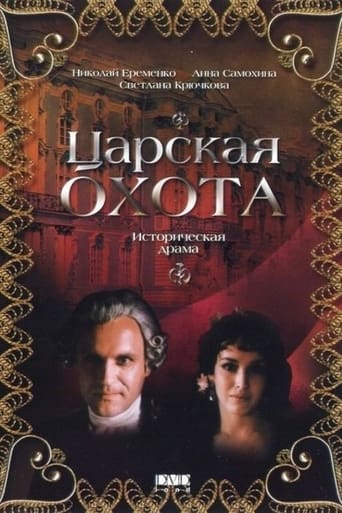
Russian general have to find and bring back to St. Petersburg girl claiming her right to the throne...
Documentary about the life of Sergei Parajanov, a prominent Soviet-era filmmaker who was active in Ukraine, Georgia and Armenia and was persecuted by the communist government for his views on the pretext of his homosexuality, which was a crime in the USSR. The centerpiece of this documentary is Shadows of Forgotten Ancestors, a 1965 movie directed by Parajanov, that awakened the Ukrainian national consciousness which had been suppressed by decades of Soviet rule.
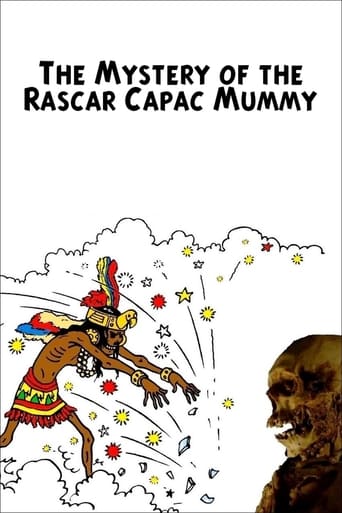
Rascar Capac, the sinister creature featured on Hergé's album The Seven Crystal Balls (1948), has left its mark on many generations of readers. To draw it, the Belgian cartoonist was probably inspired by a mummy exhibited in the first pre-Columbian exhibition organized by the Brussels Cinquantenaire Museum in 1923. Two intrepid archaeologists embark on a fascinating journey to reconstruct the story of the mysterious mummy.
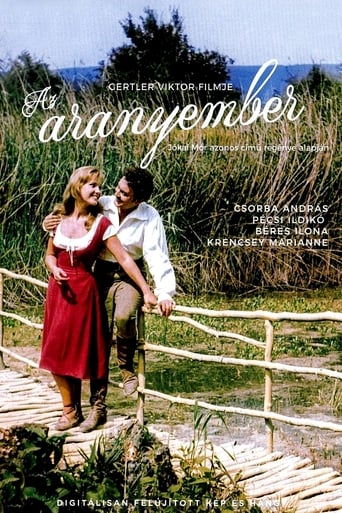
Adaptation of Mór Jókai's classic 19th century novel on Mihály Tímár, the captain of a commercial Danube ship in the 1830s, who finds unexpected fortune by meeting a Turkish aristocrat fleeing from his home country with his daughter Tímea. On their journey, they find an unknown island on the Danube, called the Senki szigete (the Island of No-one), a sort of earthly paradise, with only an old woman and her young daughter Noémi living on it.
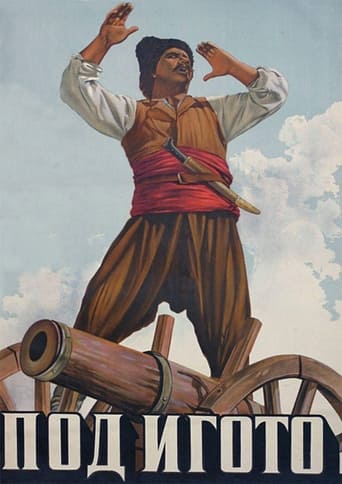
Follows the Bulgarian people's struggle for national independence in the period from 1875 to the Liberation from Otoman bondage.
Activate your FREE Account!
You must create an account to continue watching