The bride of a Federale colonel rejects him on their wedding night, and begins extramarital relations with a strapping young leader of the peasant revolution against which the colonel is fighting.
Spring, 1943. A military train is heading from a city, just liberated from the fascists. A special carriage with divisional printing-works is hitched to the train. Manager of the printing-works and correspondent expects he will travel alone, and even makes a prudent sign on the door - mines. But gradually the carriage starts to get filled with uninvited fellow travelers. The first were an injured soldier with a girl, then - a pregnant woman with escort, two communist party members, an actress, aunt Pasha, and others. The correspondent has nothing but to put up with it, because he cant turn out people, who suffer from the war, each in his/her own way.
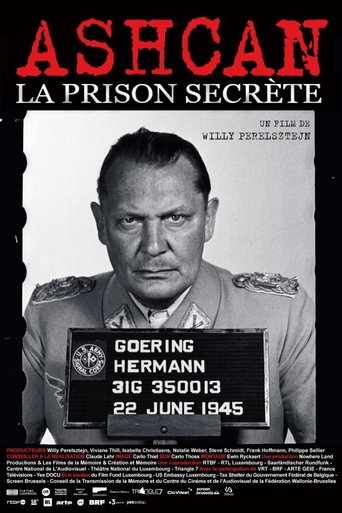
ASHCAN is a theatrical docu-fiction. It tells the story of the secret prison where the main Nazi leaders were incarcerated following the Allied victory on May 8, 1945 under U.S. authority at Mondorf-les-Bains, Luxembourg.
In China at the turn of the 20th century, there was a rebel group called the Society of the Harmonious Fist, otherwise known as Boxers. They attacked Westerners and any Chinese who associated with Westerners. In this short, a Chinese government executioner prepares to behead a captured Boxer rebel.
Slovak partisans, bravely fighting against Nazi superiority, would never have succeeded to such an extent if they had not been supported by the villagers. Despite the threat of repression, it is the villagers who care for the wounded, hide them, and behave conscientiously. Although the film was made in the late 1960s, it fully adopts the patterns of partisan stories, perhaps the only thing it can be credited with is a more developed sense of authenticity in the story, characters, and setting.
First part in Napoleon's short film life adaptation, followed by L'Empire (grandeur et décadence). The scenes are: At school in Brienne. On the bridge of Arcole. The campaign in Egypt. Passage of the St. Bernard Pass. Garden party in Malmaison. According to Ferdinand Zecca's notes (labelled "1904"), this is the first film Lucien Nonguet shot for Pathé.
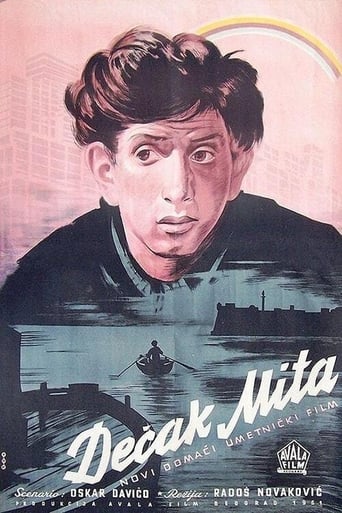
Instead of going to Belgrade, a boy called Mita joins illegal movement. Germans, who occupied Belgrade in the meantime, start to hunt down communists. Many of them are killed, but Mita succeeds to get to the freed land together with a girl who was going to Belgrade with him.
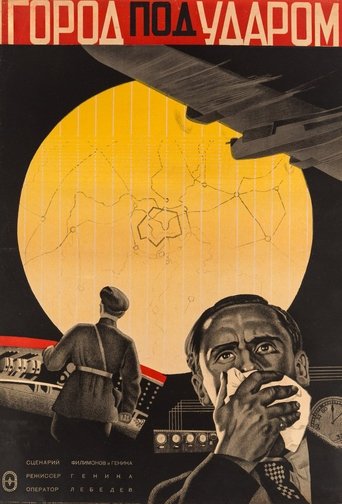
The action of the movie takes place during a possible future war. A foreign state is preparing an attack on the Soviet Union. Professor Runge in his laboratory conducts an experiment with a new deadly gas. The plan of aggression is carried out. On a major Soviet industrial center the enemy command sends squadrons of planes with high-explosive and chemical bombs, with an airborne landing force led by White Guard officers.
In the mid-18th century, Thailand's King Textron was defending his Ayuthaya Kingdom as he fought against the Myanmar invasion. At the same time, his wife Queen Taya was having a secret affair with the swordsman Chai, who may actually be a Myanmar traitor intending on toppling the Ayuthayans from within the palace. Filled with dazzling swordplay action and epic battle scenes, THE LORD OF AYUTHAYA is a stirring account of one of Thailand's most famous battle in history
Crackers faux shooting and feigning getting shot in the Philippine-american war.
Filmmaker Norman Lee’s searing 1934 documentary is a true testament to what soldiers endure during their time with the armed forces. Understanding that the public’s knowledge of wartime experience was limited to newsreels and photographs, Lee complements such footage with first-hand accounts and footage to help audiences better understand and sympathize with the brutal realities of war. From leaving families and loved ones to fighting on the battlefield and risking lives, nearly each personal facet is explored and discussed in Lee’s powerful testament. This film was probably either inspired by, or the inspiration for, Samuel Cummins' production of the same title (q.v.)
The heroes got married shortly before the start of the war. In the summer of 1941, Grigory went to the front, was wounded and evacuated along with the hospital. Attempts to find her husband were unsuccessful. Tamara went to the front line as a medical instructor, then graduated from the artillery school and became a platoon commander. And later I found out that Grigory was picked up by villagers and, having changed his oath, he remained waiting for the arrival of the Soviet Army. Realizing his mistake, Grigory realized that only with blood he could atone for his guilt - and reached the front line, no longer afraid of death. Soon Tamara received a notification of his death. After the war, she remarried and was happy, like many in the post-war years. And only the unexpected return of Gregory for a while made her doubt the legitimacy of this happiness.
Events are unfolding in one of the hot spots of the Russia. The heroes of the film returned from the war. They are winners and losers, because they have forgotten how to live in peace. The war is over, but it is close and still kills. And they want to live so passionately. But how?
Firsthand accounts of World War II are shared in this documentary, which includes archival footage and more than 50 testimonies from American, British, German and Soviet servicemembers.
After receiving devastating news one morning, Esther, a silent young girl, goes through her daily routine while a darker reality gradually unfolds.
A documentary looking at Operation Anthropoid during World War II.
The submarine Enrico Toti returns to its base at the end of a mission. After a brief leave, the crew members, who have embraced their families, return to sea. They encounter a British submarine, HMS Triad, ram it, and sink it. The main character in the film was actually a submarine commander: Lieutenant Commander Bruno Zelich, who would die shortly after filming while commanding the submarine Sciré.
Interviews with key military woman guerrilla leaders, and young girls and old women who took part baring arms or making artisanal bombs, against the regime of General Somoza.
Activate Your Account!
You must create an account to continue watching