Somewhere in France, German troops occupy the chateau of Marquis X. The commanding officer see the aged Marquis attempt to signal his daughter Louise, and seizing a paper writes an order demanding her presence. On the paper is a message in code from the Marquis to ring the bell as a signal to the French troops. Louise kills one of the German officers and rings the bell, though she knows it will mean death for her father and herself. The picture fades into a Liberty Bell ringing out "Buy, buy, buy, Bonds."
A group of Afghanistan veterans struggle to find meaning from their sacrifices in a war that doesn't end when they come back home.
Story of Yugoslav prisoners of war in Germany during Second World War. Based on the novel “Farewell in October” by Oto Bihalji-Merin.
The true story of a young Japanese girl who played the piano for POWs during World War II and how it affected their lives. It is a story of humanity, compassion and the universality of music in helping to heal the rifts between wartime rivals.
Germany, 1914: The bourgeois austerity of the small, northern German town in which Ulyssa lives conflicts sharply with her desire to flirt with and be ensnared by charming, young men. That she's married is irrelevant; it's a marriage which exists only on paper. Among all the men Ulyssa flirts with, there is one for which she has genuine affection: Stefen Marbach, an upright and sincere man, far superior to her other men. And, indeed, the two are honest with one another about their feelings, but the outbreak of the First World War separates them. Sometime later, Ulyssa finds out that not only her husband, but Stefan, too, has fallen in battle. The news of this disaster leads her to reconsider and eventually give in to the constant urgings of the Viennese merchant Reindl. Ulyssa joins Reindl in Vienna and lives a life of wealth and comfort, until one day, Stefan shows up.
Brecht's play Fear and Misery of the Third Reich consists of a series of playlets, portraying National Socialist Germany of the 1930s as a land of poverty, violence, fear and pretence. Nazi antisemitism is depicted in several of the sketches, including "the Physicist", "Judicial Process", and "the Jewish Wife".
The drama of the last days of the second world war through the eyes of children in rural areas.
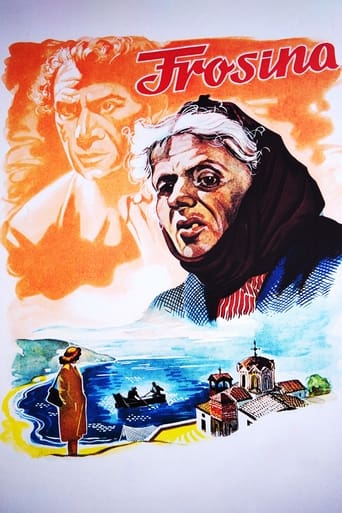
The first Macedonian Movie from 1952- Frosina is one of the many Macedonian wives whose husbands are economic emigrants abroad. Marriage does not bring them a family, only the burden of life itself. After her husband's short visits, she gives birth to children who do not live long because of the poverty into which they have been born. She gives birth to them alone, and she buries them alone. Only her last child, Klime, survives all his various illnesses and grows up to be her one joy in life. The war breaks out...
Combat footage and old photographs from extant BBC documentary footage from the First and Second World Wars is intercut with contemporary footage of First World War veterans recalling their experiences at Royal Canadian Legion halls, memorial day commemorations and veterans' hospitals.
When an American attack on the German-held town of San Corrado results in the Germans being forced out of the town, they don't have time to take along a top Italian partisan leader they have captured and imprisoned. Fearing that the Americans will turn the man loose to organize more partisan attacks on their forces, the Germans send one of their top agents to infiltrate the town, posing as an American soldier cut off from his unit, and assign him to re-capture the partisan leader and bring him back for interrogation--or, if that's not possible, to kill him.
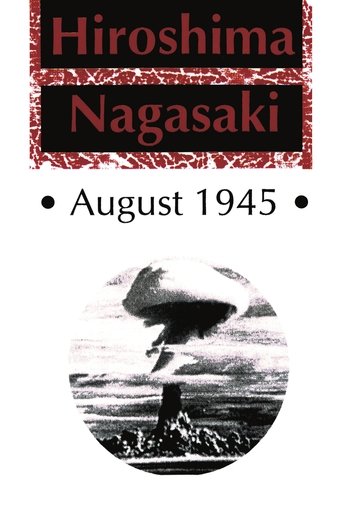
This documentary is a compilation of silent black-and-white film footage shot by the Japanese in Hiroshima and Nagasaki shortly after the atomic bomb blasts in early August 1945. English-language voice-over narration has been added, along with a few scenes from American sources. The film shows the destruction and injury caused by the atomic bombs in graphic detail.
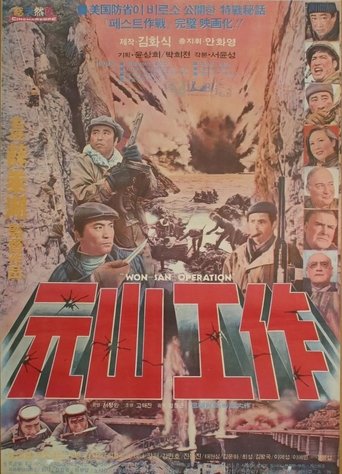
Dozens of people begin dying daily in the city of Wonsan shortly after the outbreak of the Korean War. Fearing a plague, the United Nations asks that the situation be investigated before they will commit troops.
On the 8th September 1943, thousands of allied prisoners of war escaped into the Italian countryside following the country's surrender. The occupying Germans hunted these escapers who were helped and sheltered by the brave and kind Italian Contadini, farmers who put their families and homes at great risk by doing so. Made by a crew of students in Leeds, England with very limited resources and funds, it is based on the director's great-grandfather and his experiences as an escaped British POW in Italy during WWII.
During the Vietnam war, the American army forms a special unit called "tunnel rats" to go down into the elaborate system of underground tunnels constructed by the Vietcong, kill anyone they find in it and destroy the system.
In 1940s Germany, a young boy stumbles upon a Jewish girl in hiding.
In 2007, Annie Connerton called John Lombardo in a frantic state to come visit her immediately and to bring a box of war letters dating back to the 1940's that were in John's possession. Upon arriving Annie told John she started to have vivid flashbacks after watching the movie, "Letters from Iwo Jima," that was shown during a local hospice movie event at her facility. She told John she wanted to read the letters and share the Lombardo memories with him before these flashbacks go away. This was Annie's dying wish. The legacy of Vic Lombardo, Pat Lombardo, Tony Lombardo, and John Lombardo must be told. This is the untold story of the Lombardo Family Letters.
During the Japanese occupation in World War 2, a soldier was tasked by a ranking officer to go undercover and be a government official, but under Japanese governance to gain their trust and collect intel.
Activate Your Account!
You must create an account to continue watching